
Introduction to ASTM A36
In the world of structural engineering and manufacturing, selecting the right material is essential for safety, durability, and performance. One of the most commonly used structural steel specifications is ASTM A36. This standard defines the chemical composition and mechanical properties of carbon structural steel widely used in construction, infrastructure, and industrial projects.
ASTM A36 is part of the standards developed by ASTM International, a globally recognized organization responsible for creating technical standards used across many industries. These standards help manufacturers and engineers ensure that materials meet consistent quality and performance requirements.
Because of its excellent strength, weldability, and affordability, ASTM A36 steel is one of the most widely used structural steels in the United States and many other countries. Engineers often choose ASTM A36 for projects where reliable structural performance and cost efficiency are required.
What Is ASTM A36 Steel?
ASTM A36 is a standard specification for carbon structural steel used in construction and engineering applications. It is designed to provide reliable mechanical properties that make it suitable for structural components such as beams, plates, bars, and structural shapes.
The ASTM A36 specification defines key properties including:
- Minimum yield strength
- Chemical composition
- Mechanical performance
- Manufacturing requirements
The most notable characteristic of ASTM A36 steel is its minimum yield strength of 36,000 psi (250 MPa). This property ensures that the material can withstand significant loads before permanently deforming.
Due to its balanced properties, ASTM A36 steel is easy to machine, weld, and fabricate. These features make it highly practical for many industrial applications.
Chemical Composition of ASTM A36
The chemical composition of ASTM A36 plays a key role in its strength, durability, and weldability. The standard limits the percentage of several elements to ensure consistent performance.
Typical chemical composition includes:
| Element | Maximum Percentage |
|---|---|
| Carbon | 0.25 – 0.29% |
| Manganese | 0.80 – 1.20% |
| Phosphorus | 0.04% |
| Sulfur | 0.05% |
| Silicon | 0.40% |
The relatively low carbon content makes ASTM A36 steel easier to weld and form compared to high-carbon steels. This characteristic is especially important in construction projects where welding and fabrication are common processes.
Mechanical Properties of ASTM A36
The mechanical properties of ASTM A36 make it suitable for structural applications where strength and reliability are critical.
Important mechanical properties include:
- Minimum Yield Strength: 36,000 psi (250 MPa)
- Tensile Strength: 58,000 – 80,000 psi (400 – 550 MPa)
- Elongation: Around 20% in 8 inches
These properties ensure that ASTM A36 steel can withstand mechanical stress and structural loads without failure.
Another advantage is its excellent ductility, which allows the material to deform slightly under stress without breaking. This property is important in structural engineering because it helps prevent sudden structural failure.
Common Forms of ASTM A36 Steel
ASTM A36 steel is available in several forms that support a wide range of engineering applications.
Steel Plates
ASTM A36 plates are widely used in structural fabrication, heavy equipment manufacturing, and bridge construction.
Structural Shapes
Common structural shapes include:
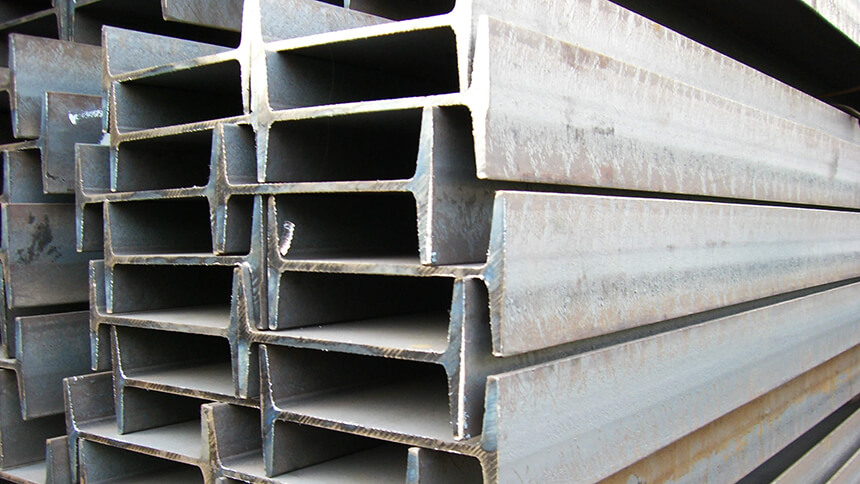
- I-beams
- Channels
- Angles
- H-beams
These shapes are essential components in building frameworks and infrastructure.
Steel Bars
ASTM A36 bars are frequently used in machining, fabrication, and industrial equipment manufacturing.
Steel Sheets
Sheets made from ASTM A36 are used in applications requiring flat structural surfaces and moderate strength.
Applications of ASTM A36 Steel
Because of its versatility, ASTM A36 steel is used in numerous industries. Its combination of strength, weldability, and affordability makes it a preferred material for many structural applications.
Construction Industry
One of the most important uses of ASTM A36 steel is in construction. Structural engineers rely on this steel for building frameworks and infrastructure.
Typical applications include:
- Structural beams
- Building frames
- Bridges
- Structural plates
- Reinforcement components
The reliable mechanical properties of ASTM A36 help ensure that buildings and structures can support heavy loads safely.
Manufacturing Industry
In manufacturing, ASTM A36 steel is often used to produce machine components, industrial equipment, and structural supports.
Manufacturers value the material because it is easy to fabricate and machine.
Examples include:
- Industrial machine bases
- Equipment frames
- Structural supports
- Fabricated steel components
Infrastructure Projects
ASTM A36 steel is commonly used in large infrastructure projects such as bridges, transportation systems, and public structures.
Its strength and durability make it suitable for structures exposed to environmental stress and heavy loads.
Advantages of ASTM A36 Steel
There are several reasons why ASTM A36 remains one of the most widely used structural steels.
Excellent Weldability
ASTM A36 steel can be welded easily using common welding techniques. This reduces fabrication time and simplifies construction processes.
Good Strength-to-Cost Ratio
Compared to many high-strength steels, ASTM A36 provides strong mechanical performance at a relatively low cost.
Versatile Fabrication
The steel can be cut, drilled, formed, and machined without difficulty, making it highly versatile in manufacturing.
Wide Availability
Because ASTM A36 is a widely used standard, it is readily available in many forms and sizes.
ASTM A36 Compared to Other Structural Steels
Although ASTM A36 is extremely popular, it is sometimes compared with other structural steel standards.
For example, modern structural steels may offer higher yield strength or improved corrosion resistance. However, ASTM A36 remains a preferred choice for projects where:
- extreme strength is not required
- cost efficiency is important
- welding and fabrication are common
In many structural applications, ASTM A36 provides the ideal balance between performance and affordability.
ASTM A36 and Global Standards
Although ASTM A36 is widely used in North America, similar materials exist in international standards systems.
Engineers often compare ASTM A36 with structural steels used in European or international standards to ensure compatibility in global projects.
Despite regional differences, the mechanical properties of ASTM A36 remain widely recognized in engineering and construction industries around the world.
Conclusion
ASTM A36 is one of the most widely used structural steel standards in modern engineering and construction. Defined by ASTM International, this material offers an excellent combination of strength, weldability, and cost efficiency.
Because of its reliable mechanical properties and ease of fabrication, ASTM A36 steel is commonly used in construction, manufacturing, and infrastructure projects. From structural beams to machine frames, ASTM A36 continues to play a crucial role in supporting modern industry.
For engineers and manufacturers seeking a dependable structural steel solution, ASTM A36 remains one of the most practical and widely accepted material standards available today.
Leave a Reply