Blog

  • The Ultimate Guide to Industrial Microscopes: Precision in Modern Manufacturing

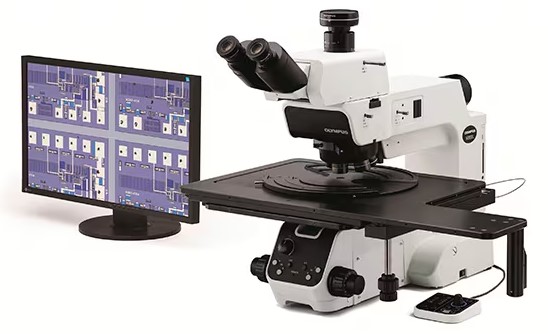
    In the world of modern manufacturing and material science, precision is not just a goal—it is a requirement. Whether you are inspecting a microchip, analyzing a weld, or evaluating the grain structure of a new alloy, the industrial microscope is the most critical tool in your arsenal. Unlike biological microscopes designed for transparent slides, industrial microscopes are
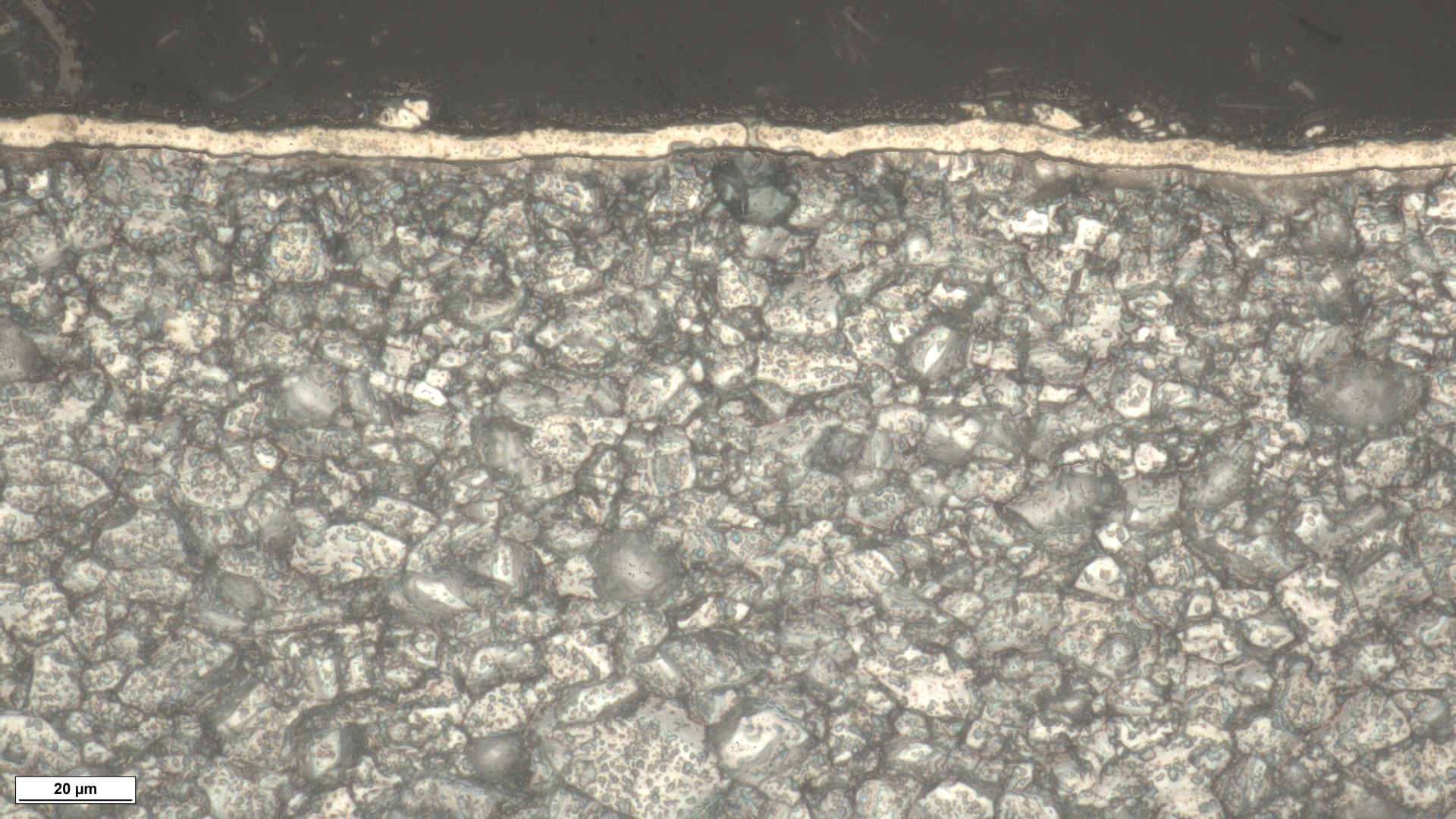
  • White Cast Iron Microstructure: Properties, Analysis, and Applications

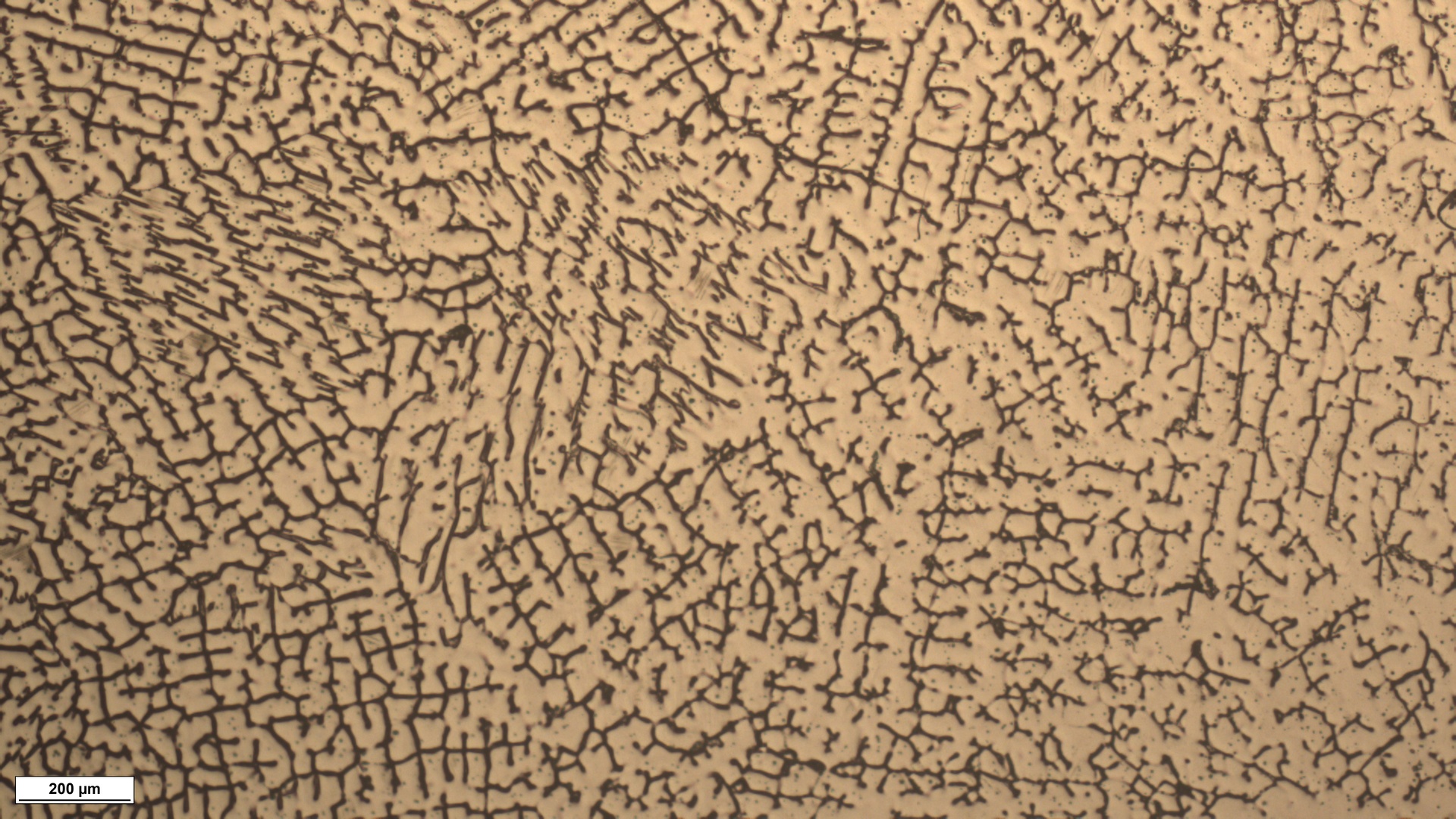
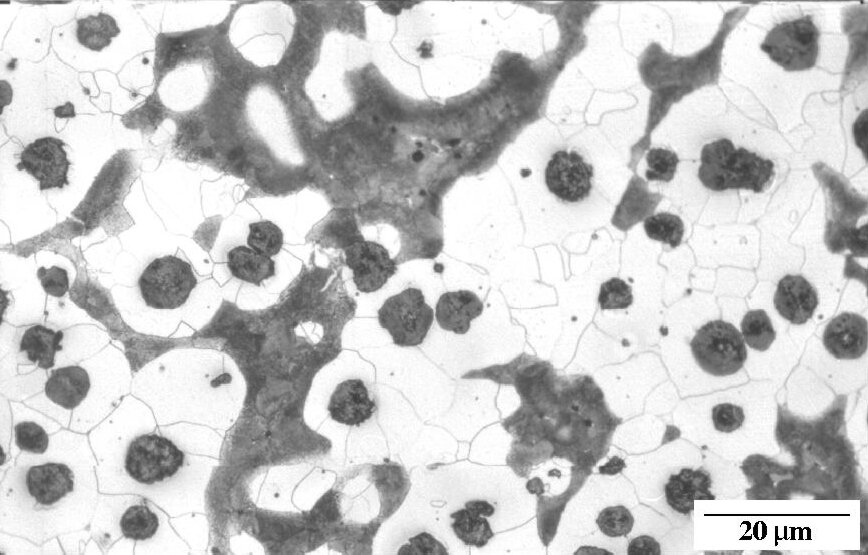
    White cast iron is a type of cast iron known for its hard and brittle nature. Its unique microstructure distinguishes it from other cast irons and gives it distinct mechanical properties, making it suitable for specific industrial applications. Understanding the microstructure of white cast iron is crucial for metallurgists, engineers, and quality control professionals who

  • What is Metallography? Definition, Process, and Applications Explained

    Metallography is a key field within materials science that focuses on the study of the structure of metals and alloys at the microscopic level. By analyzing the internal structure, or microstructure, of materials, engineers and scientists can better understand their properties, performance, and potential failure mechanisms. Metallography is widely used in industries such as aerospace,

  • Metallography Microstructure Analysis: Methods, Techniques, and Applications

    Metallography is a fundamental discipline in materials science that focuses on the study of the microstructure of metals and alloys. By examining the internal structure of materials at microscopic levels, engineers and researchers can better understand their mechanical properties, performance, and failure mechanisms. Metallographic analysis plays a crucial role in industries such as aerospace, automotive,

  • How AI is Automating Metallography: From Grain Size Detection to Microstructure Analysis

    Metallography has long relied on manual analysis of microstructures to evaluate material properties. However, recent advances in artificial intelligence (AI) and computer vision are transforming this field. From automated grain size detection to complex microstructure classification, AI is enabling faster, more accurate, and scalable metallographic analysis. The Traditional Challenge Conventional metallography involves: While effective, these

  • ASTM E112 Grain Size Measurement: Methods, Formula, and Practical Examples

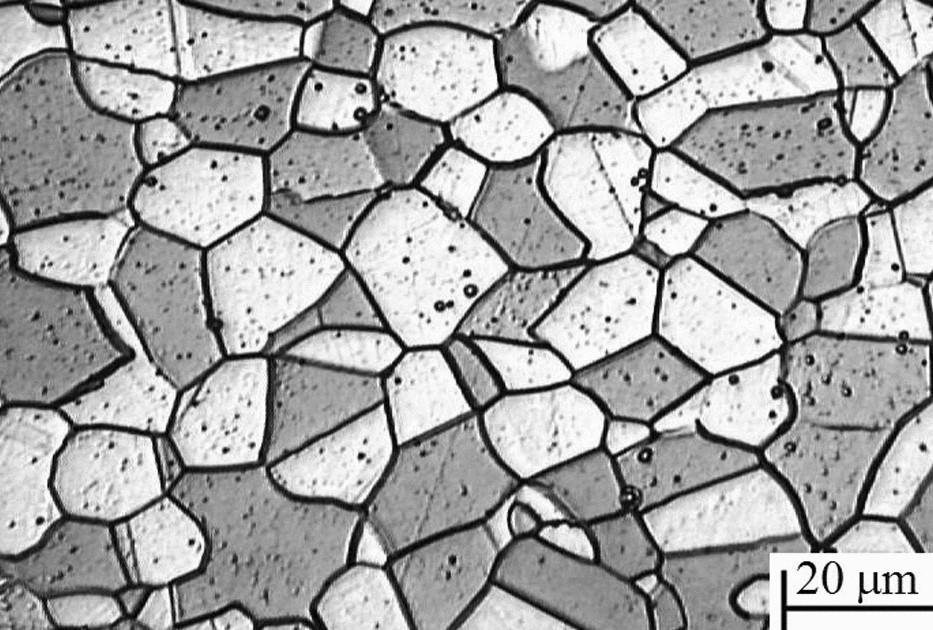
    Grain size plays a critical role in determining the mechanical properties of metals, including strength, toughness, and fatigue resistance. One of the most widely used standards for measuring grain size in metallography is ASTM E112. This standard provides several methods to quantify grain size in a consistent and repeatable way, making it essential for quality

  • ASTM A36: Properties, Applications, and Benefits of This Structural Steel Standard

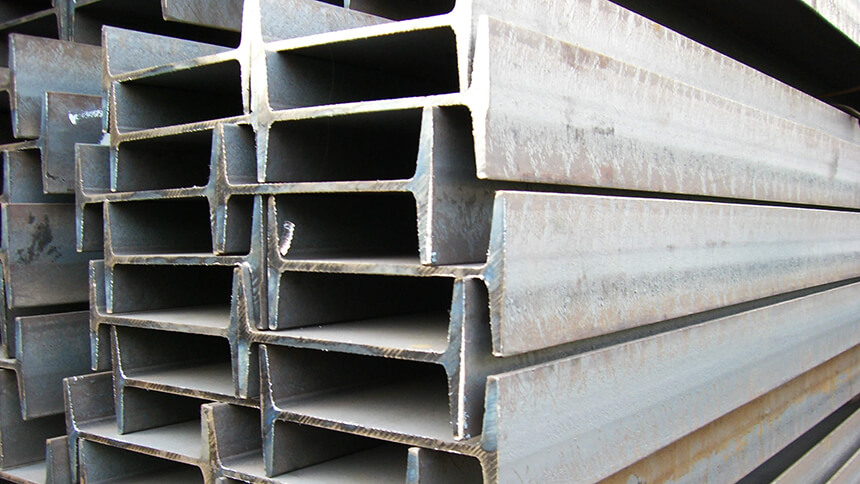
    Introduction to ASTM A36 In the world of structural engineering and manufacturing, selecting the right material is essential for safety, durability, and performance. One of the most commonly used structural steel specifications is ASTM A36. This standard defines the chemical composition and mechanical properties of carbon structural steel widely used in construction, infrastructure, and industrial

  • ASTM Standards Explained: Importance, Benefits, and Global Industry Applications

    Introduction to ASTM Standards In today’s global marketplace, companies must ensure that their products meet strict requirements for safety, performance, and quality. One of the most widely recognized systems used to achieve this consistency is ASTM standards. ASTM standards are technical guidelines developed to ensure that materials, products, systems, and services meet reliable quality benchmarks.

  • AI-Powered Grain Size Analysis (ASTM E112): Transforming Metallography with Deep Learning

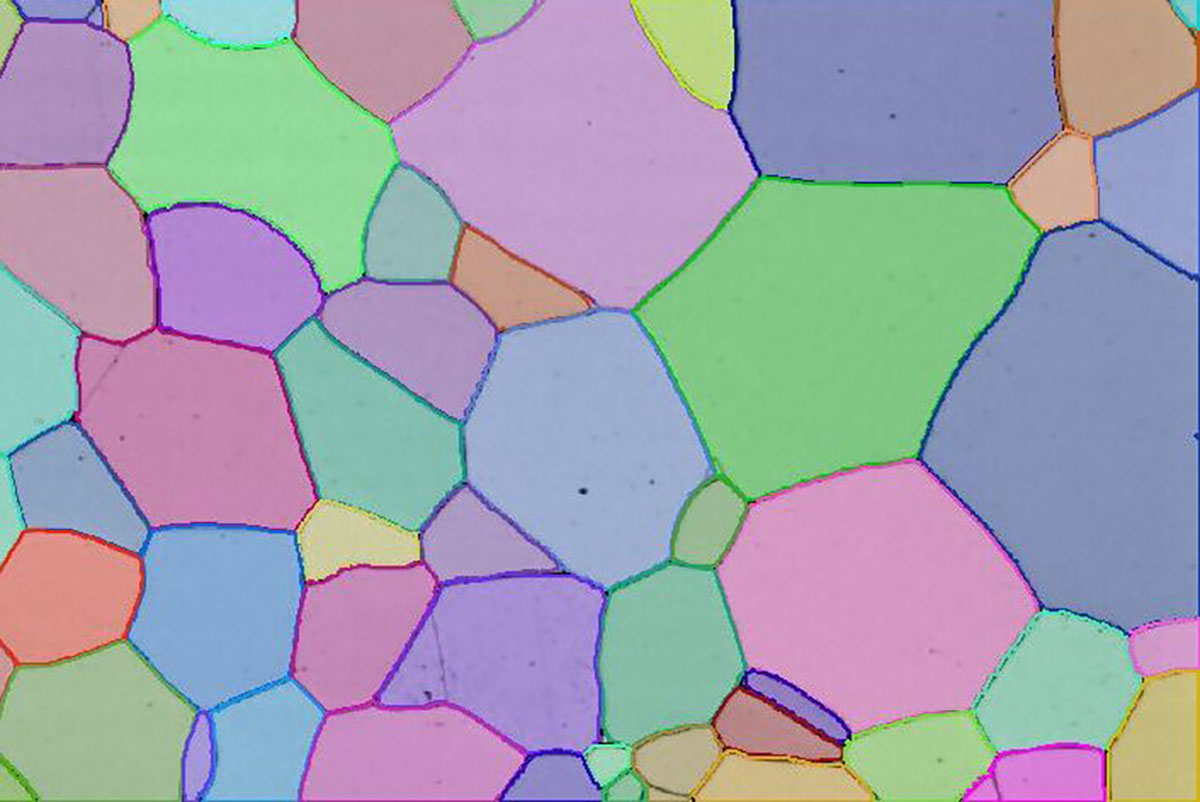
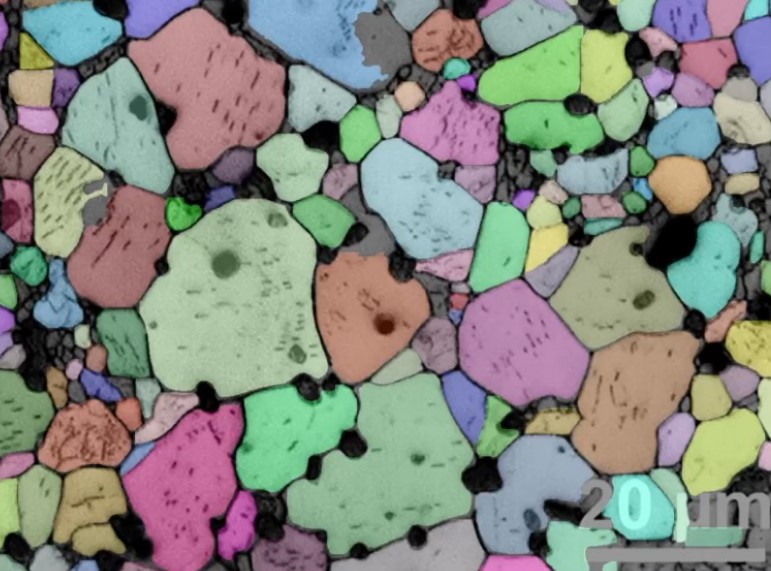
    Grain size analysis plays a fundamental role in metallography and materials science. The size and distribution of grains directly influence mechanical properties such as strength, toughness, fatigue resistance, and ductility. For decades, laboratories have relied on manual or semi-automated methods to evaluate grain size according to ASTM E112. Today, artificial intelligence is redefining how grain

  • AI-Automated Vickers Hardness Testing: The Future of Precision Metallography

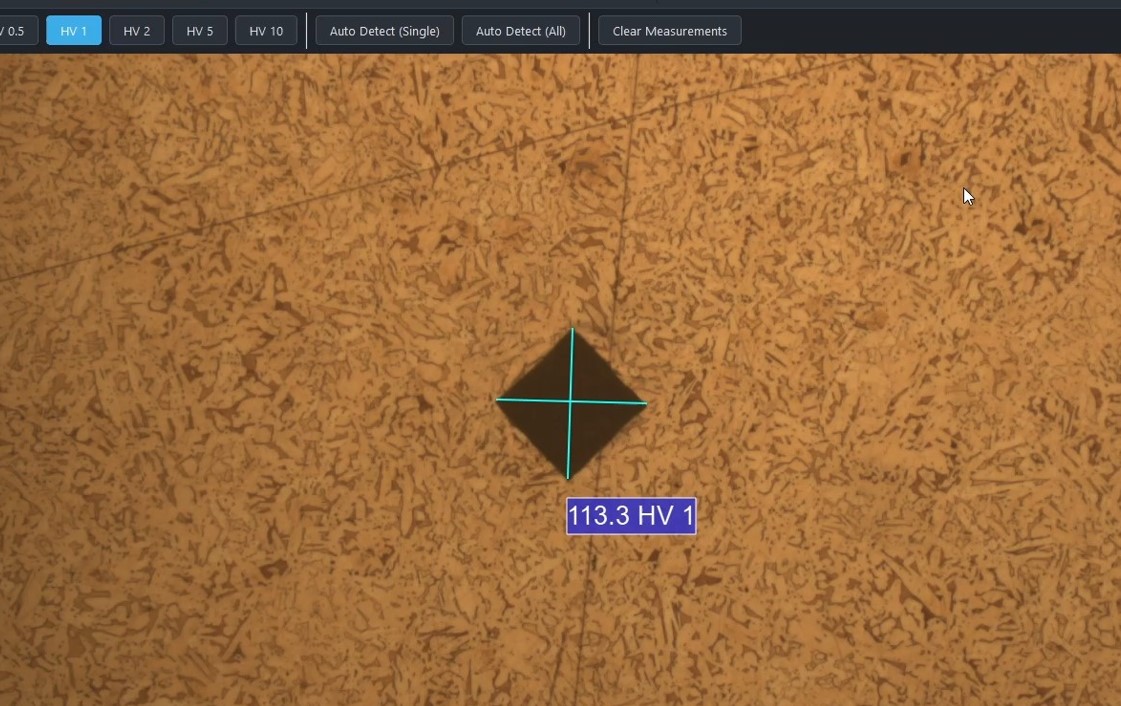
    How Artificial Intelligence Is Transforming Microstructure Analysis Vickers hardness testing has long been a cornerstone of metallography and materials science. For decades, laboratories have relied on manual indentation measurement under optical microscopes to determine material hardness. While the method itself is highly reliable, the workflow often depends on operator precision, manual diagonal marking, and time-consuming