Tag: Grain Size Analysis

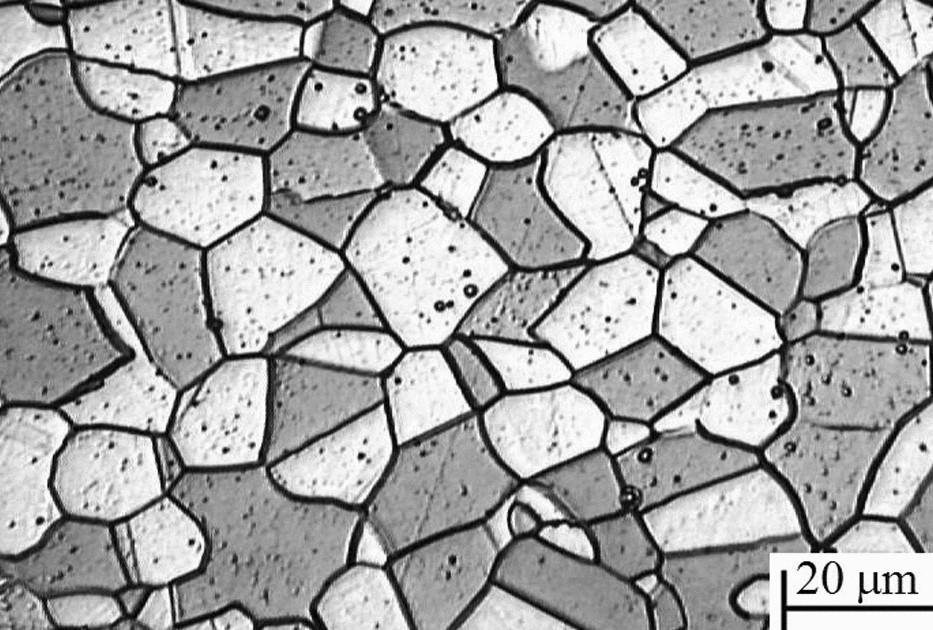
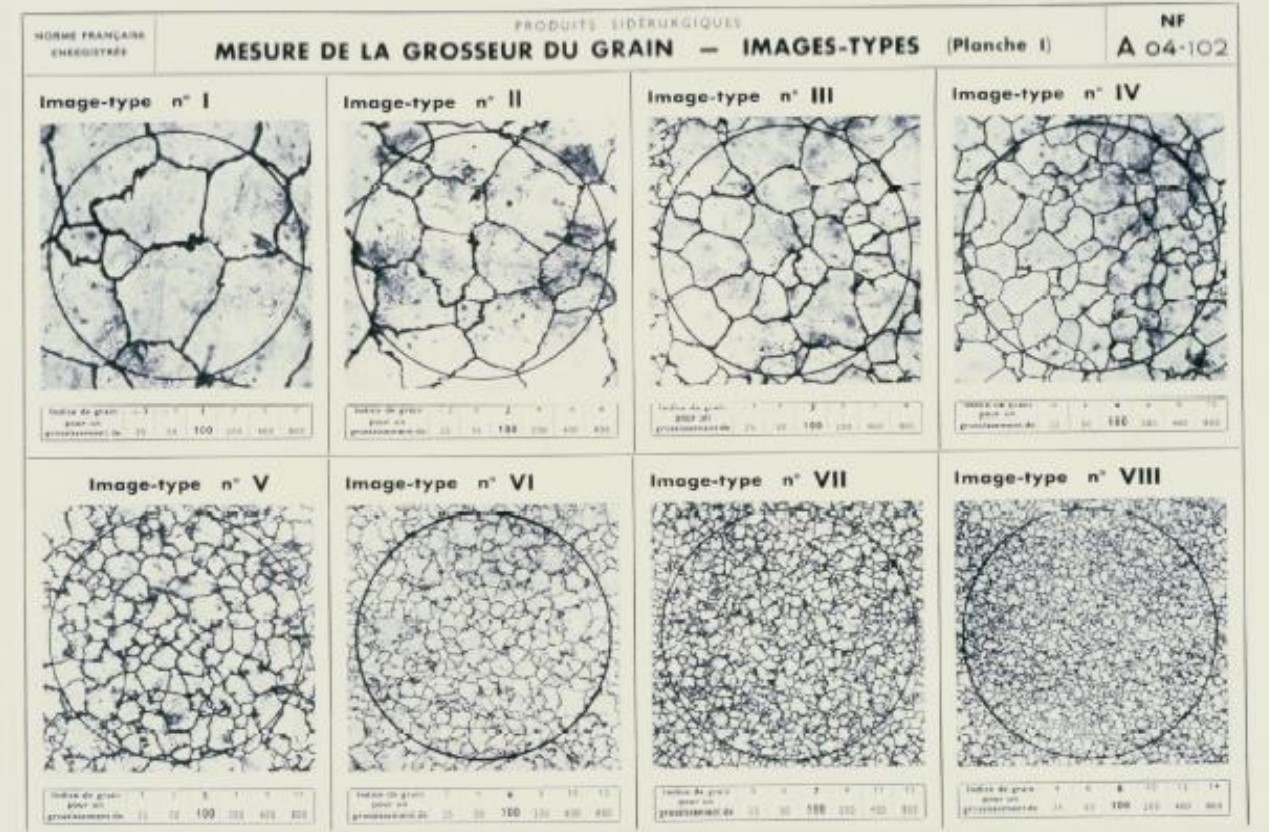
  • ASTM E112 vs. E1382: Which Grain Size Measurement Method Should You Use?

    In the world of materials science, the size of a grain is more than just a microscopic detail; it is the fundamental blueprint for a metal’s mechanical properties. From the yield strength of an aerospace turbine to the ductility of a car chassis, grain size determines performance. However, when it comes to standardizing these measurements,
  • Automatic Grain Size Measurement vs. Manual ASTM E112 Methods

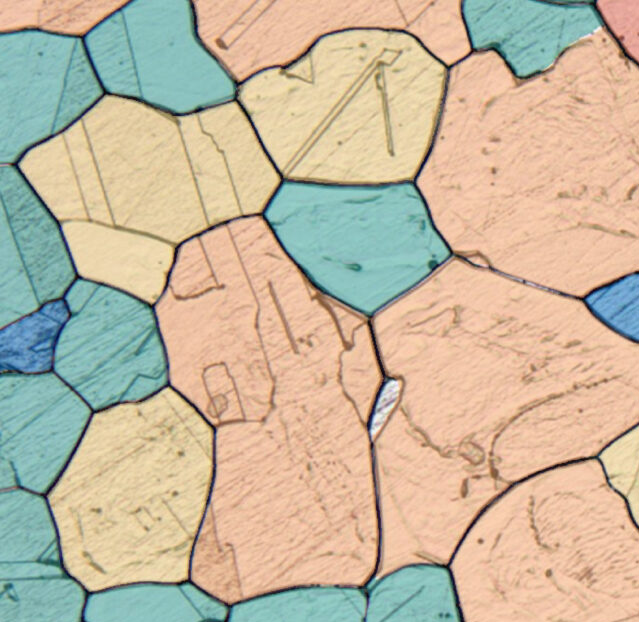
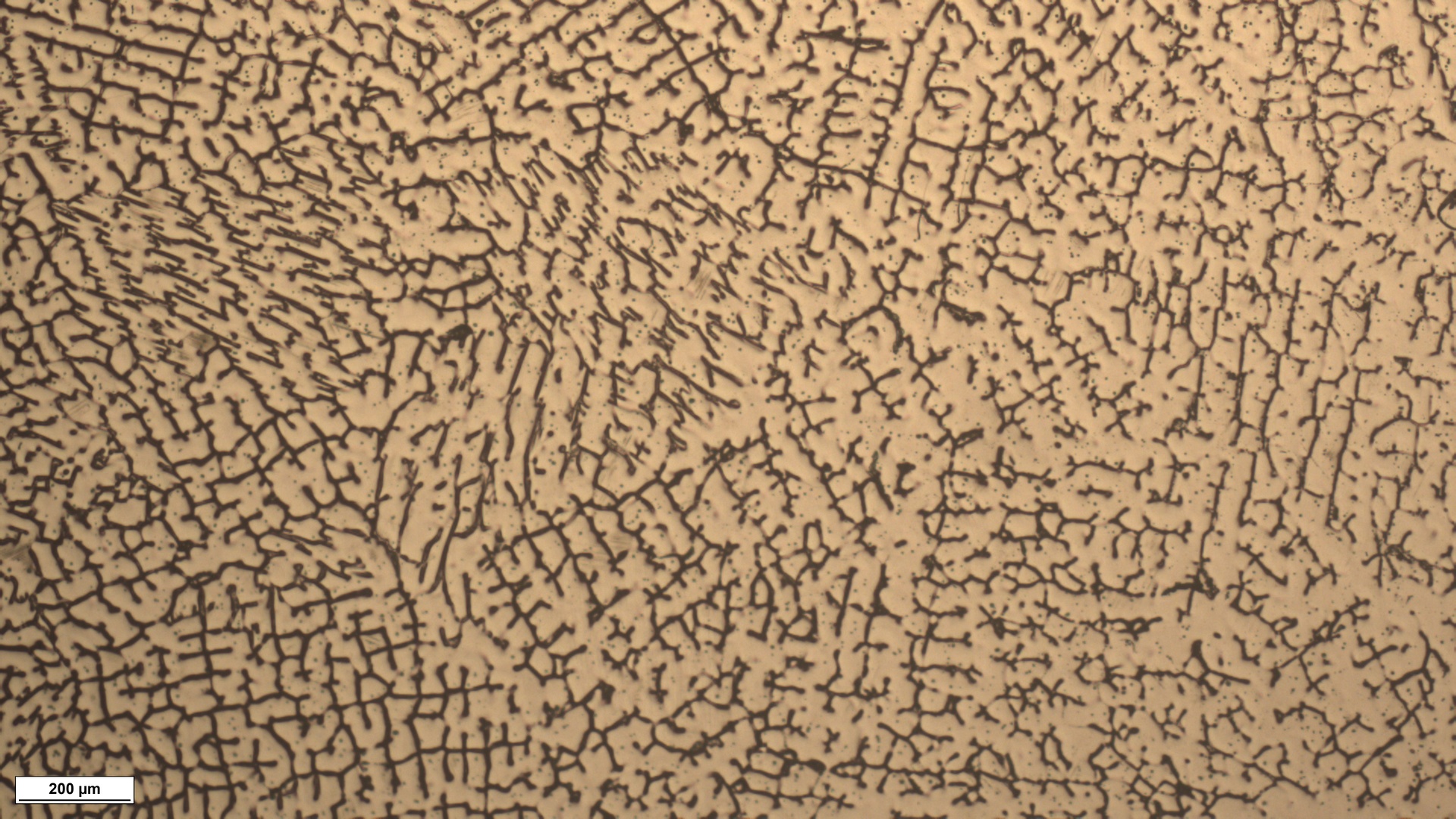
    In the world of metallurgy, grain size is more than just a microscopic feature—it is a fundamental predictor of a material’s mechanical properties. From yield strength to toughness, the crystalline structure of a metal dictates how it will perform under stress. For decades, the ASTM E112 standard has been the “bible” for determining average grain

  • Metallography Microstructure Analysis: Methods, Techniques, and Applications

    Metallography is a fundamental discipline in materials science that focuses on the study of the microstructure of metals and alloys. By examining the internal structure of materials at microscopic levels, engineers and researchers can better understand their mechanical properties, performance, and failure mechanisms. Metallographic analysis plays a crucial role in industries such as aerospace, automotive,

  • ASTM E112 Grain Size (Formula, Chart & Calculation Example)

    Grain size plays a critical role in determining the mechanical properties of metals, including strength, toughness, and fatigue resistance. In this guide, you will learn:– ASTM E112 grain size formula– how to calculate grain size step-by-step– ASTM grain size chart (G number table)– real calculation examples One of the most widely used standards for measuring