
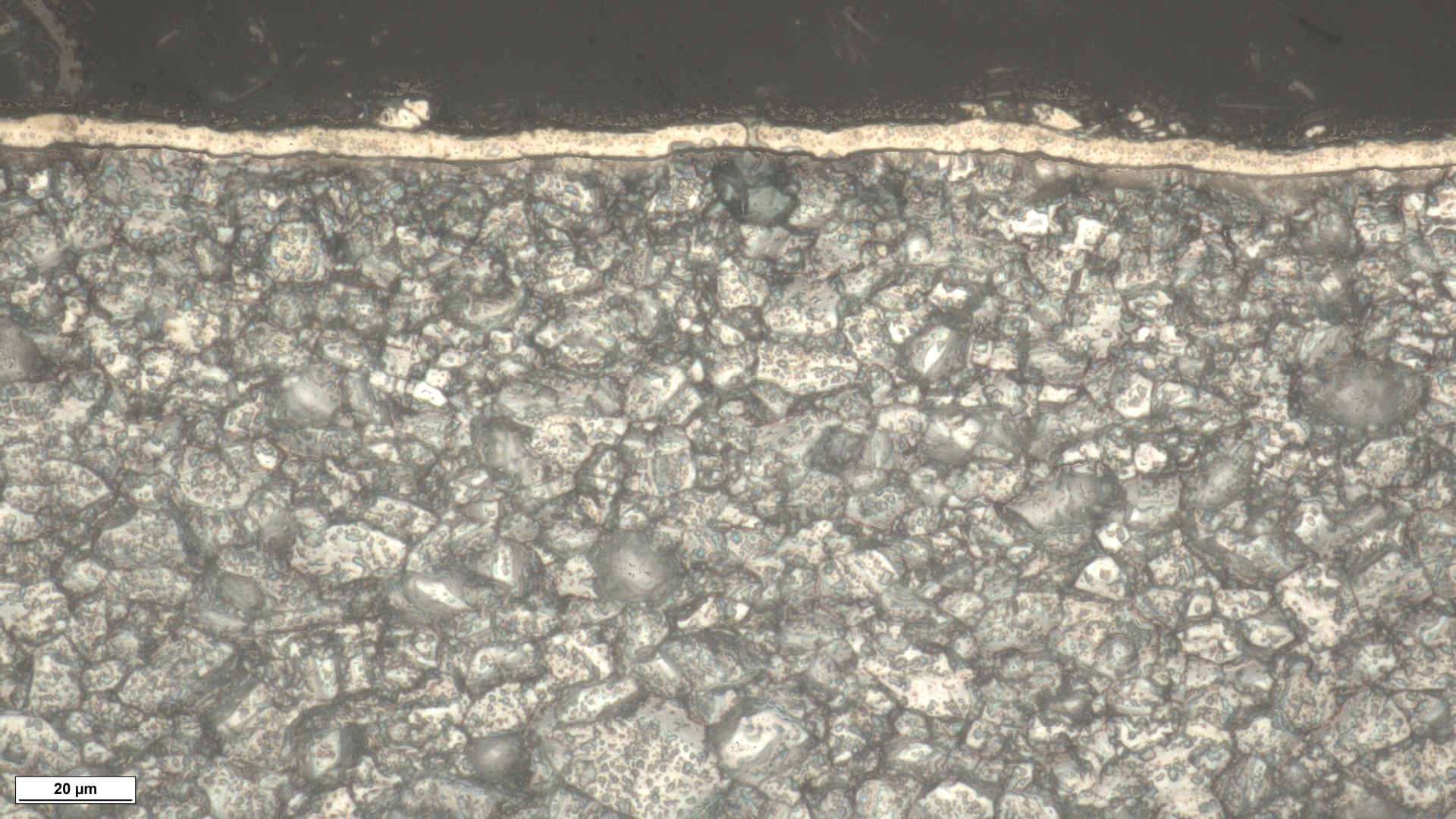
Metallography is a key field within materials science that focuses on the study of the structure of metals and alloys at the microscopic level. By analyzing the internal structure, or microstructure, of materials, engineers and scientists can better understand their properties, performance, and potential failure mechanisms.
Metallography is widely used in industries such as aerospace, automotive, energy, and manufacturing, where material reliability and quality are critical.
Definition of Metallography
Metallography is the science and practice of examining the physical structure and components of metals using microscopy. It involves preparing a material sample and observing it under magnification to reveal features such as grains, phases, and defects.
The primary goal of metallography is to establish a relationship between a material’s microstructure and its mechanical properties. This helps engineers optimize materials for specific applications.
Why Metallography is Important
Understanding the microstructure of a material is essential because it directly affects its behavior under different conditions.
Key benefits of metallography include:
- Identifying material defects and inconsistencies
- Ensuring quality control in manufacturing
- Supporting failure analysis investigations
- Improving material performance through design and processing
Without metallographic analysis, many critical failures in engineering components would be difficult to diagnose.
The Metallography Process
The metallographic process consists of several carefully controlled steps. Each step is essential to ensure accurate and reliable results.
1. Sectioning
The material sample is cut from the main component. This must be done carefully to avoid altering the microstructure.
2. Mounting
The sample is embedded in a resin to make it easier to handle during preparation.
3. Grinding
The surface is ground using abrasive materials to remove irregularities and damage from cutting.
4. Polishing
The sample is polished to achieve a smooth, mirror-like surface suitable for microscopic examination.
5. Etching
A chemical reagent is applied to reveal the microstructure by highlighting grain boundaries and phases.
Microstructure in Metallography
Microstructure refers to the features of a material that can be observed under a microscope. These include:
Grain Structure
Grains are small crystals within a metal. Their size and arrangement significantly influence mechanical properties.
- Fine grains → higher strength
- Coarse grains → better ductility
Phases
Different phases within a material represent distinct structures with unique properties. For example, steel can contain ferrite, pearlite, or martensite.
Defects and Inclusions
Metallography helps detect cracks, voids, and non-metallic inclusions that may weaken the material.
Methods Used in Metallography
Several analytical techniques are used depending on the required level of detail.
Optical Microscopy
The most common method, used for general microstructure analysis and grain size evaluation.
Scanning Electron Microscopy (SEM)
Provides higher resolution and allows for detailed surface and fracture analysis.
Image Analysis Software
Modern metallography increasingly uses digital tools to automate measurements and improve accuracy.
Applications of Metallography
Metallography is used in a wide range of industrial and scientific applications:
Quality Control
Ensures that materials meet required standards and specifications.
Failure Analysis
Helps determine the cause of material or component failure by examining microstructural changes.
Research and Development
Supports the development of new materials and optimization of existing ones.
Heat Treatment Verification
Confirms whether heat treatment processes have produced the desired microstructure.
Modern Trends: Digital and AI Metallography
With advancements in technology, metallography is becoming more automated and data-driven.
Artificial intelligence and machine learning are now used to:
- Automatically detect grain boundaries
- Classify microstructures
- Identify defects with high accuracy
- Analyze large datasets efficiently
These innovations reduce human error and significantly speed up the analysis process.
Challenges in Metallography
Despite its advantages, metallography also presents challenges:
- Sample preparation requires precision and expertise
- Interpretation of results can be subjective
- Advanced equipment can be costly
- Complex materials may require specialized techniques
However, ongoing advancements in automation and AI are helping to overcome these limitations.
Conclusion
Metallography is an essential tool in understanding the structure and behavior of metallic materials. By analyzing microstructures, engineers can improve material performance, ensure quality, and prevent failures.
As technology evolves, metallography is becoming more efficient and precise, especially with the integration of digital tools and artificial intelligence. This makes it an indispensable discipline in modern materials science and engineering.
Leave a Reply