
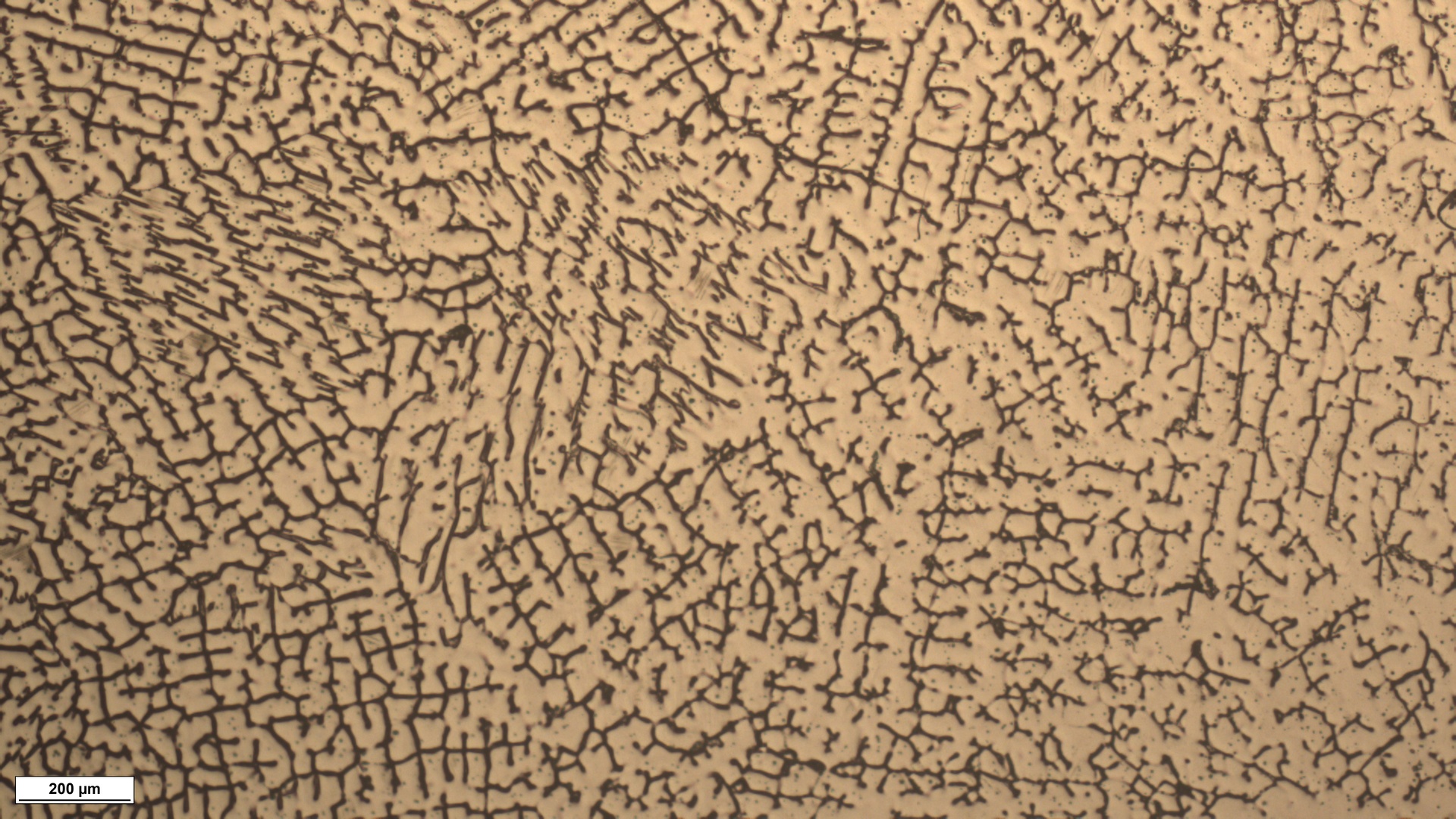
Metallography is a fundamental discipline in materials science that focuses on the study of the microstructure of metals and alloys. By examining the internal structure of materials at microscopic levels, engineers and researchers can better understand their mechanical properties, performance, and failure mechanisms. Metallographic analysis plays a crucial role in industries such as aerospace, automotive, energy, and manufacturing, where material reliability is critical.
What is Metallography?
Metallography involves the preparation and examination of metallic samples to reveal their microstructure. This process typically includes cutting, mounting, grinding, polishing, and etching the material surface. Once prepared, the sample is analyzed using optical or electron microscopy.
The resulting microstructure provides valuable information about grain size, phase distribution, inclusions, and defects. These features directly influence the physical and mechanical properties of the material, such as strength, hardness, ductility, and corrosion resistance.
Understanding Microstructure
Microstructure refers to the structure of a material as observed under a microscope. It includes various features such as grains, grain boundaries, phases, and defects. Each of these components contributes to the overall behavior of the material.
Grain Structure
Grains are small crystals within a metal, and their size and shape significantly affect material properties. Fine-grained materials tend to be stronger and more resistant to deformation, while coarse-grained materials often exhibit better ductility.
Phases
A phase is a region within a material that has uniform physical and chemical properties. Common phases in steel include ferrite, pearlite, martensite, and austenite. The distribution and proportion of these phases determine the material’s performance.
Inclusions and Defects
Non-metallic inclusions, voids, and cracks can weaken the material and lead to failure. Identifying these defects through metallographic analysis is essential for quality control and failure prevention.
Metallographic Sample Preparation
Accurate microstructural analysis depends heavily on proper sample preparation. The process typically involves several steps:
- Sectioning – Cutting the sample without altering its structure
- Mounting – Embedding the sample in a resin for easier handling
- Grinding – Removing surface irregularities
- Polishing – Achieving a mirror-like finish
- Etching – Applying chemical reagents to reveal microstructural features
Each step must be performed carefully to avoid introducing artifacts that could distort the analysis.
Methods of Microstructure Analysis
Several techniques are used to analyze metallographic samples, depending on the level of detail required.
Optical Microscopy
This is the most common method and is used for general microstructure observation. It allows for the analysis of grain size, phase distribution, and basic defects.
Scanning Electron Microscopy (SEM)
SEM provides higher magnification and resolution compared to optical microscopy. It is particularly useful for analyzing fine details and fracture surfaces.
Image Analysis Software
Modern metallography increasingly relies on digital image analysis. Software tools can automatically measure grain size, detect phases, and quantify features with high accuracy. This reduces human error and improves repeatability.
Importance of Grain Size Analysis
Grain size is one of the most critical parameters in metallography. It is commonly measured using standardized methods such as ASTM E112. The grain size number is inversely related to the actual grain size, meaning that higher values indicate finer grains.
The relationship between grain size and material strength is described by the Hall-Petch equation, which states that smaller grains lead to increased strength. This is why grain refinement is often used to improve material performance.
Applications of Metallographic Analysis
Metallography is widely used across various industries for different purposes:
Quality Control
Manufacturers use metallographic analysis to ensure that materials meet required specifications and standards.
Failure Analysis
When a component fails, metallography helps identify the root cause by examining cracks, inclusions, and microstructural changes.
Research and Development
Scientists use metallography to develop new materials and optimize existing ones.
Heat Treatment Evaluation
Metallography is essential for verifying the effectiveness of heat treatment processes, which alter the microstructure to achieve desired properties.
The Role of Digitalization and AI
The field of metallography is evolving with the integration of digital technologies and artificial intelligence. Automated image analysis systems can process large volumes of data quickly and consistently.
AI-powered tools can:
- Detect grain boundaries automatically
- Classify microstructures
- Identify defects with high precision
- Provide real-time analysis in industrial environments
These advancements are transforming traditional metallography into a more efficient and data-driven discipline.
Challenges in Metallographic Analysis
Despite its importance, metallography faces several challenges:
- Sample preparation requires skill and precision
- Interpretation of microstructures can be subjective
- Complex materials may require advanced techniques
- High-end equipment can be expensive
However, ongoing technological advancements are helping to overcome these limitations.
Conclusion
Metallography and microstructure analysis are essential for understanding the behavior and performance of metallic materials. By examining the internal structure of materials, engineers can make informed decisions about design, processing, and application.
From traditional optical microscopy to advanced AI-driven analysis, metallography continues to evolve, offering new possibilities for improving material quality and reliability. As industries demand higher performance and precision, the importance of metallographic analysis will only continue to grow.
Leave a Reply