
Steel is one of the most widely used materials in the world, found in everything from buildings and bridges to cars and tools. But what gives steel its strength, flexibility, or hardness? The answer lies in something called microstructure.
In this beginner-friendly guide, we’ll break down what the microstructure of steel is, why it matters, and how it affects the properties of steel—without using complicated engineering language.
What Is the Microstructure of Steel?
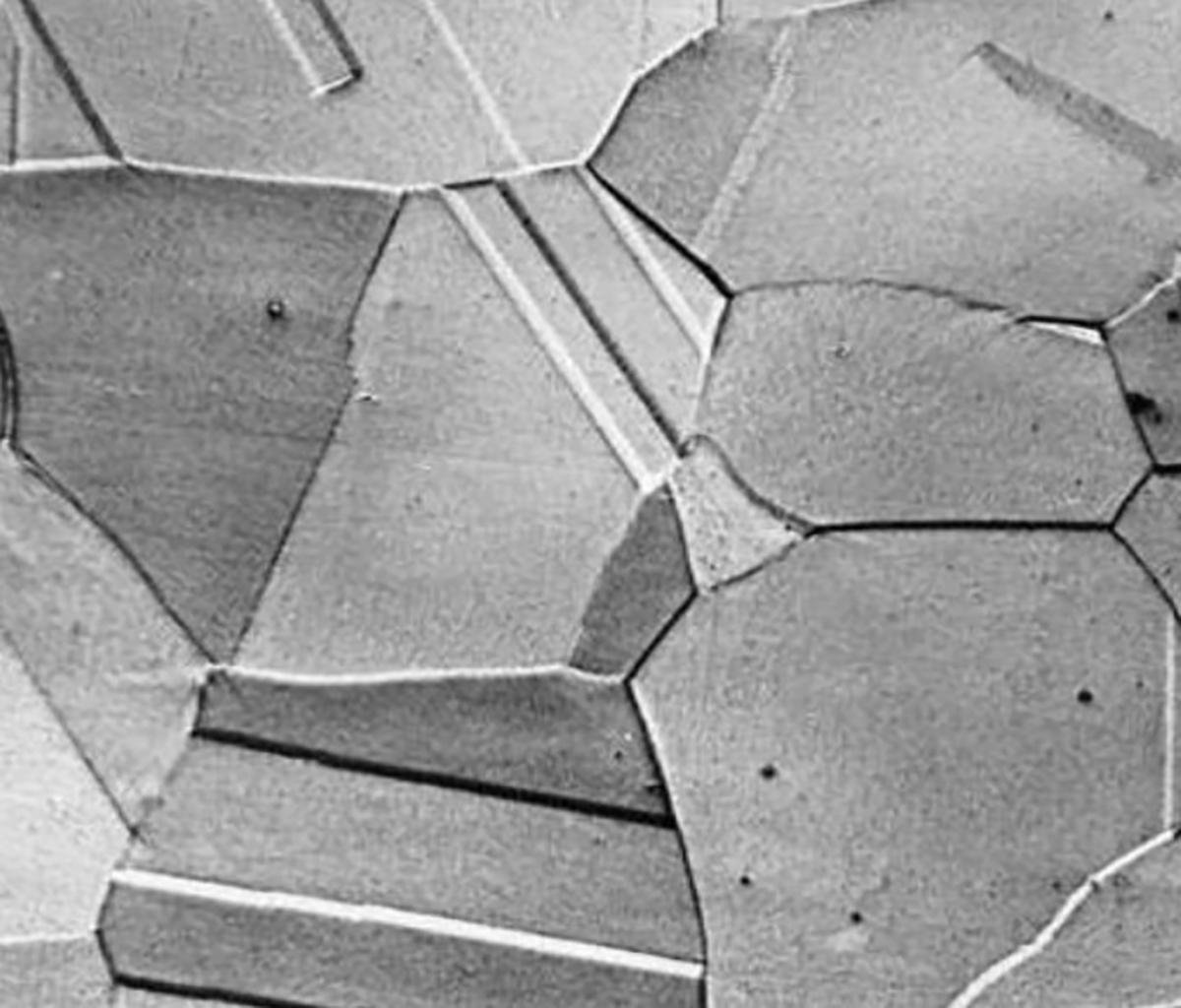
The microstructure of steel refers to the internal structure of the material that can only be seen under a microscope. Even though steel looks solid and uniform to the naked eye, it is actually made up of different phases and patterns at a microscopic level.
These tiny structures determine how steel behaves in real-world applications.
Think of it like this:
Two pieces of steel might look identical from the outside, but their internal structure can make one much stronger or more flexible than the other.
Why Microstructure Matters
The microstructure directly affects key properties of steel, such as:
- Strength
- Hardness
- Toughness
- Ductility (ability to bend without breaking)
- Wear resistance
By controlling the microstructure, engineers can design steel for specific purposes—for example, making it harder for cutting tools or tougher for construction.
Main Components of Steel Microstructure
Steel microstructure is typically made up of a combination of different phases. The most common ones include:
1. Ferrite
Ferrite is a soft and ductile phase of steel. It has low carbon content and is relatively easy to shape.
- Soft
- Good ductility
- Low strength
2. Pearlite
Pearlite is a layered structure made of ferrite and cementite. It provides a balance between strength and flexibility.
- Moderate strength
- Moderate hardness
- Common in many steels
3. Cementite
Cementite is a very hard and brittle phase.
- Very hard
- Low ductility
- Increases wear resistance
4. Martensite
Martensite forms when steel is cooled very quickly (a process called quenching).
- Extremely hard
- Very strong
- Can be brittle if not treated properly
How Microstructure Is Formed
The microstructure of steel depends mainly on two factors:
1. Carbon Content
The amount of carbon in steel has a huge impact on its structure.
- Low carbon → softer, more ductile steel
- High carbon → harder, stronger steel
2. Heat Treatment
Heat treatment is the process of heating and cooling steel in a controlled way to change its structure.
Common processes include:
- Annealing – softens steel
- Quenching – hardens steel quickly
- Tempering – reduces brittleness after hardening
By adjusting temperature and cooling speed, manufacturers can create very different microstructures from the same base material.
Simple Real-Life Example
Imagine two steel rods:
- One is slowly cooled after heating → it becomes softer and easier to bend
- The other is rapidly cooled → it becomes much harder but more brittle
Even though both rods are made of steel, their microstructures are different—and so are their properties.
How Microstructure Is Analyzed
Engineers use special tools to study microstructure, such as microscopes and imaging techniques.
The process usually involves:
- Cutting a small sample
- Polishing it to a smooth surface
- Etching it with chemicals
- Observing it under a microscope
This allows them to see patterns and phases inside the steel.
Why Beginners Should Care About This
If you’re learning about materials, engineering, or manufacturing, understanding microstructure gives you a huge advantage.
It helps you:
- Understand why materials behave differently
- Choose the right type of steel for a project
- Improve product performance
Even at a basic level, knowing that “what’s inside matters” can change how you think about materials.
Conclusion
The microstructure of steel may be invisible to the naked eye, but it plays a massive role in determining how steel performs. By understanding its basic components—like ferrite, pearlite, and martensite—you can better appreciate how steel is designed for different uses.
In simple terms:
the strength and behavior of steel come from its internal structure, not just its composition.
Leave a Reply