Tag: Microstructure Analysis

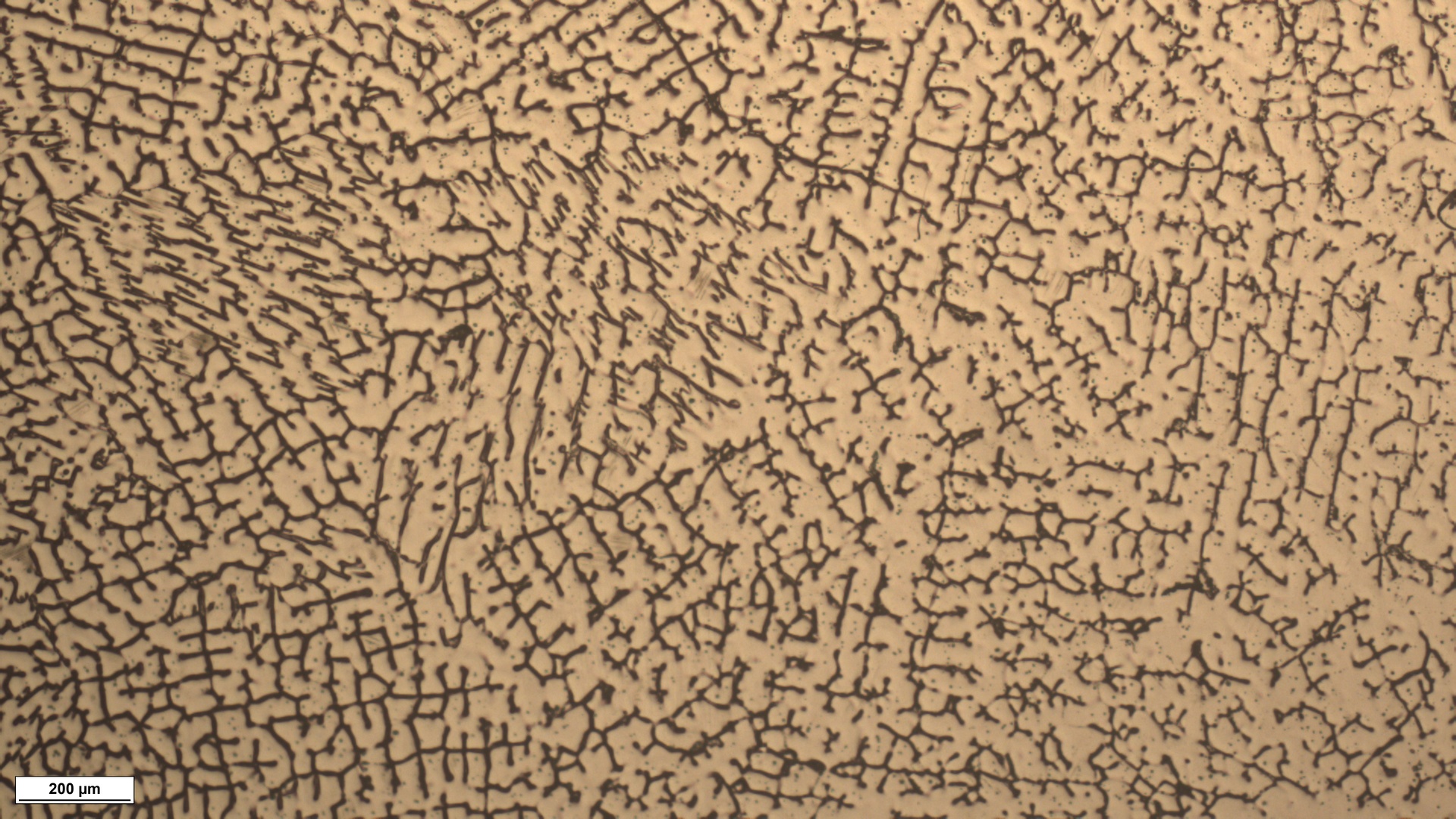
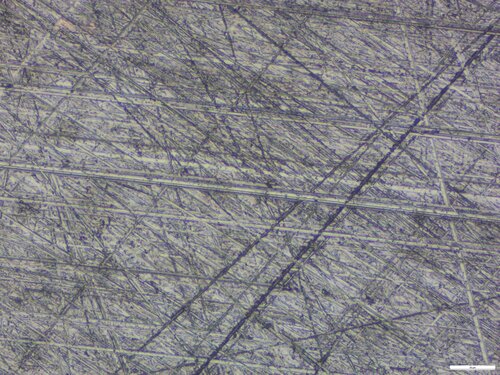
  • 5 Common Metallography Defects and How to Fix Them in Your Lab

    In metallography, the distance between a perfect microstructural revelation and a misleading artifact is often measured in microns. You can have the most advanced AI-powered analysis software, such as Microvision, but if your sample preparation is flawed, your data will be too. A “defect” in a metallographic specimen isn’t just an aesthetic issue; it can
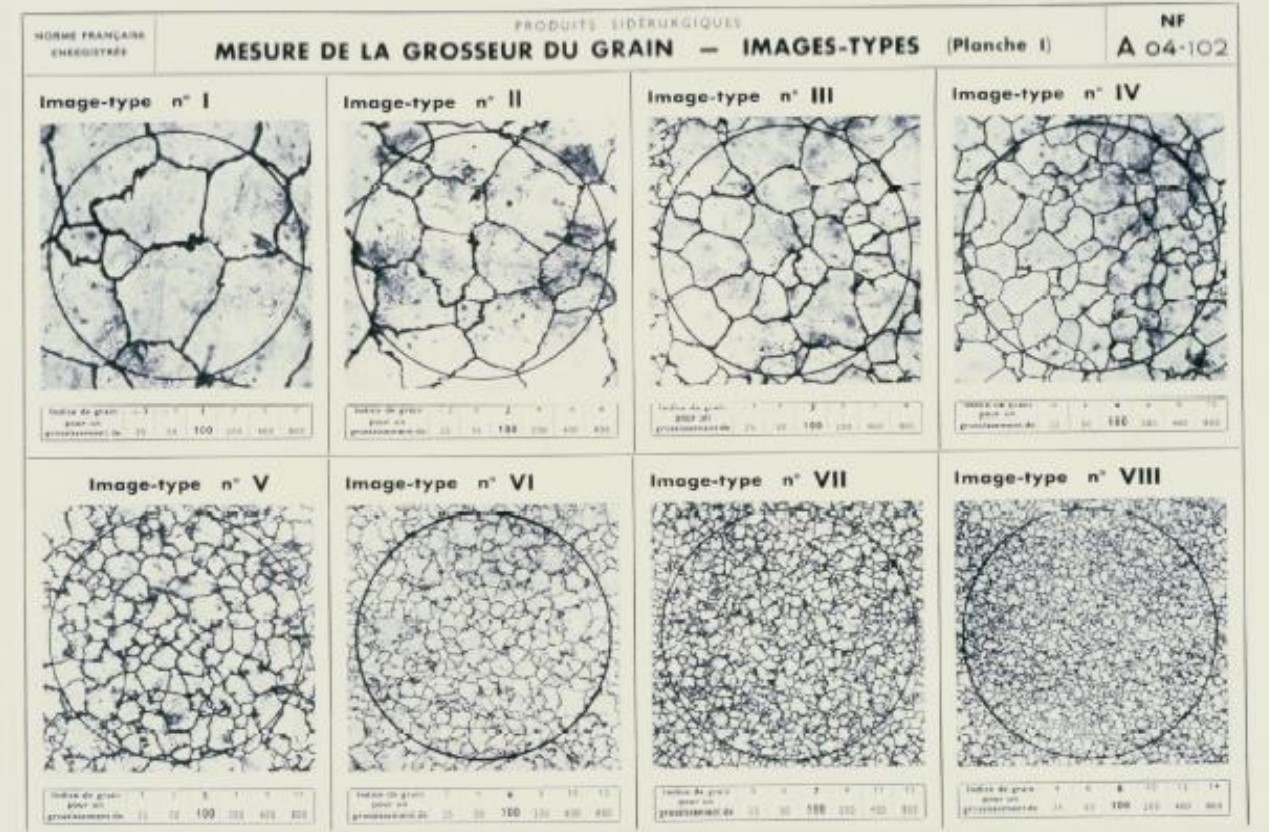
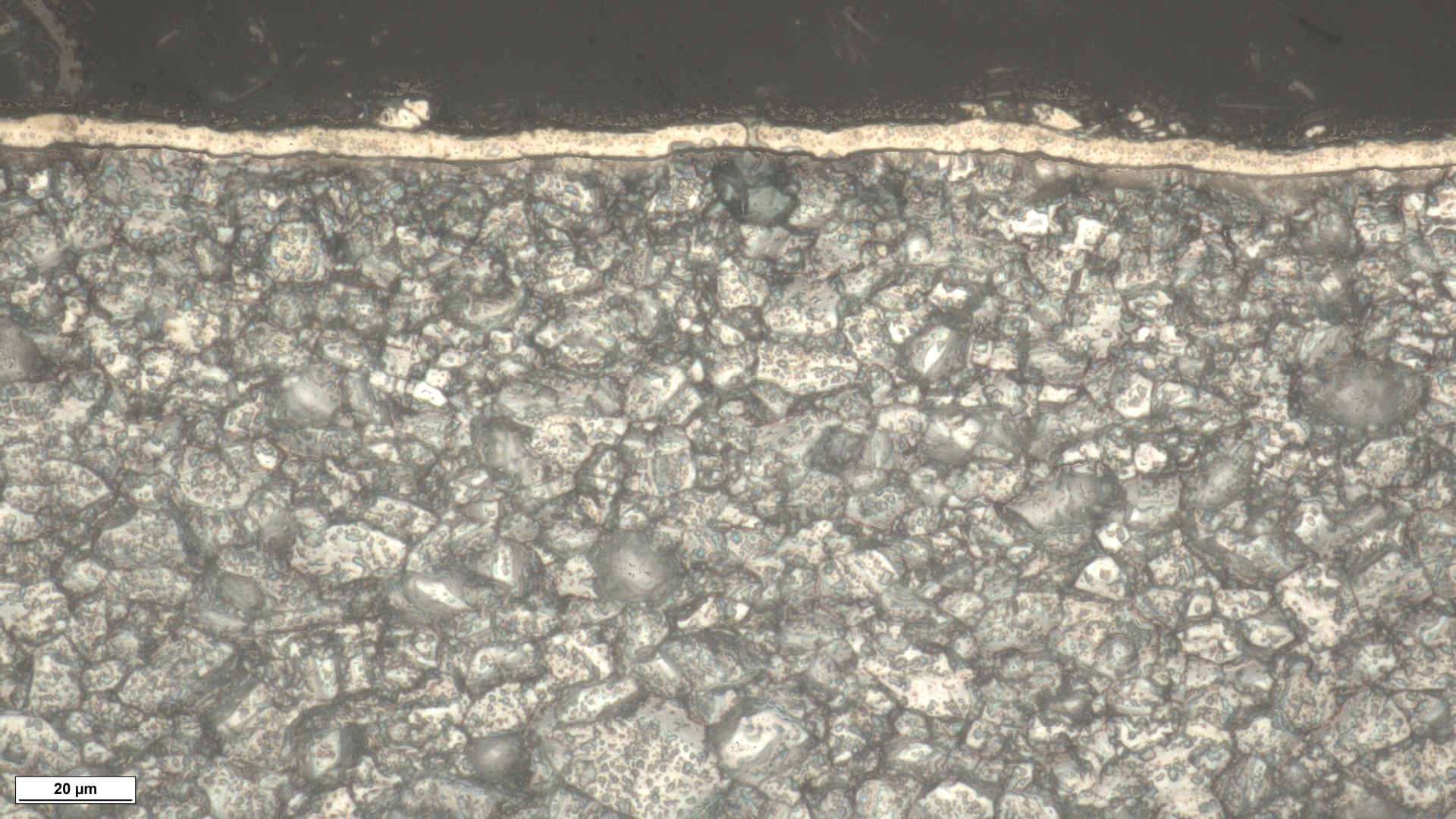
  • ASTM E112 vs. E1382: Which Grain Size Measurement Method Should You Use?

    In the world of materials science, the size of a grain is more than just a microscopic detail; it is the fundamental blueprint for a metal’s mechanical properties. From the yield strength of an aerospace turbine to the ductility of a car chassis, grain size determines performance. However, when it comes to standardizing these measurements,

  • What is Metallography? Definition, Process, and Applications Explained

    Metallography is a key field within materials science that focuses on the study of the structure of metals and alloys at the microscopic level. By analyzing the internal structure, or microstructure, of materials, engineers and scientists can better understand their properties, performance, and potential failure mechanisms. Metallography is widely used in industries such as aerospace,

  • Metallography Microstructure Analysis: Methods, Techniques, and Applications

    Metallography is a fundamental discipline in materials science that focuses on the study of the microstructure of metals and alloys. By examining the internal structure of materials at microscopic levels, engineers and researchers can better understand their mechanical properties, performance, and failure mechanisms. Metallographic analysis plays a crucial role in industries such as aerospace, automotive,

  • How AI is Automating Metallography: From Grain Size Detection to Microstructure Analysis

    Metallography has long relied on manual analysis of microstructures to evaluate material properties. However, recent advances in artificial intelligence (AI) and computer vision are transforming this field. From automated grain size detection to complex microstructure classification, AI is enabling faster, more accurate, and scalable metallographic analysis. The Traditional Challenge Conventional metallography involves: While effective, these