Tag: material science

  • 7075 Aluminum: A Scientific Deep Dive into the Metallurgy of High-Strength Aerospace Alloys

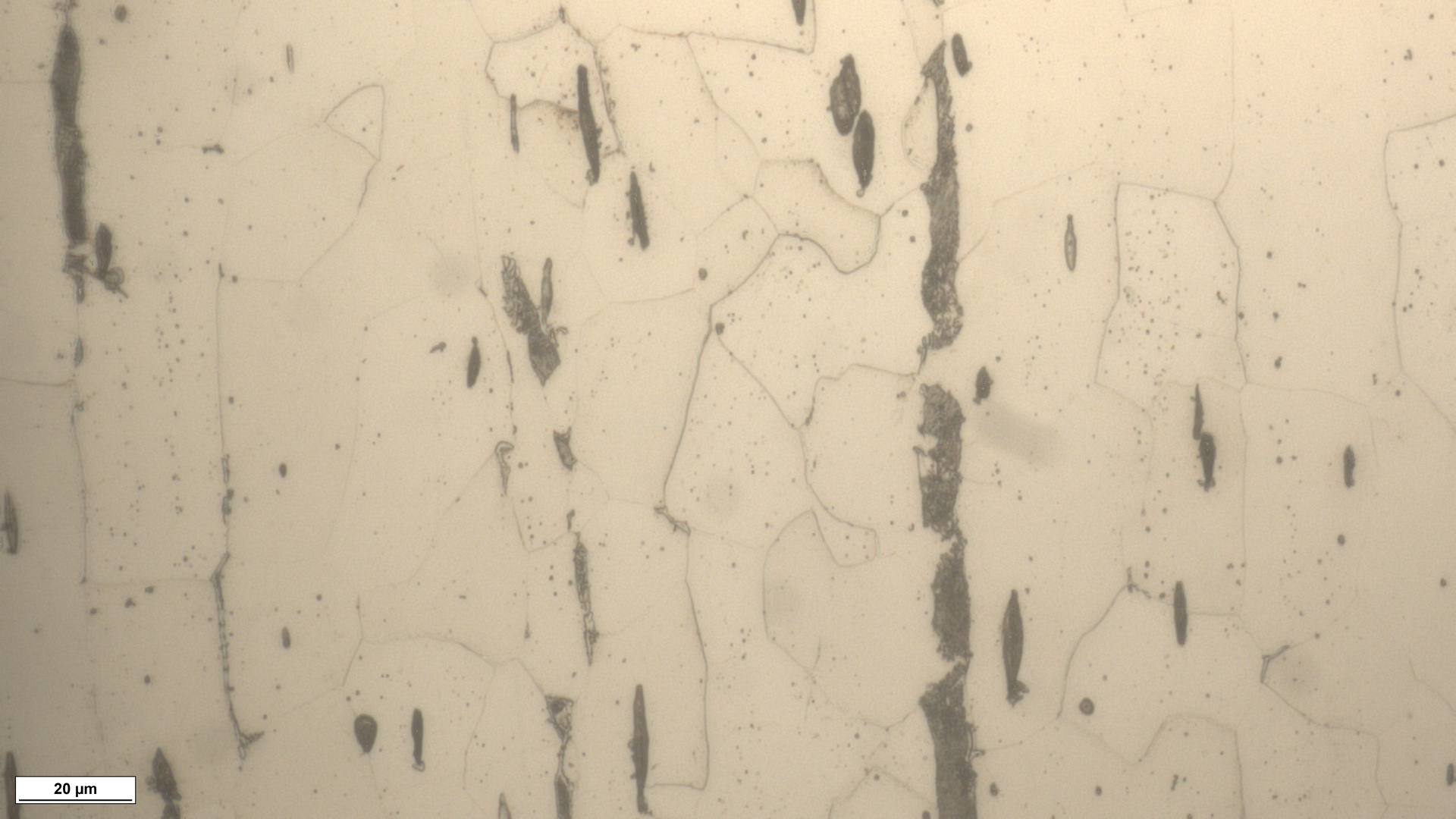
    7075 aluminum represents a pinnacle of metallurgical engineering, serving as a cornerstone for high-stress applications ranging from aerospace structures to high-performance sporting equipment. Belonging to the 7xxx series of aluminum alloys, where zinc serves as the primary alloying element, this material is celebrated for its exceptional strength-to-weight ratio, which rivals many steels. In the scientific
  • Unlocking the Secrets of White Cast Iron Microstructure: A Metallurgist’s Guide

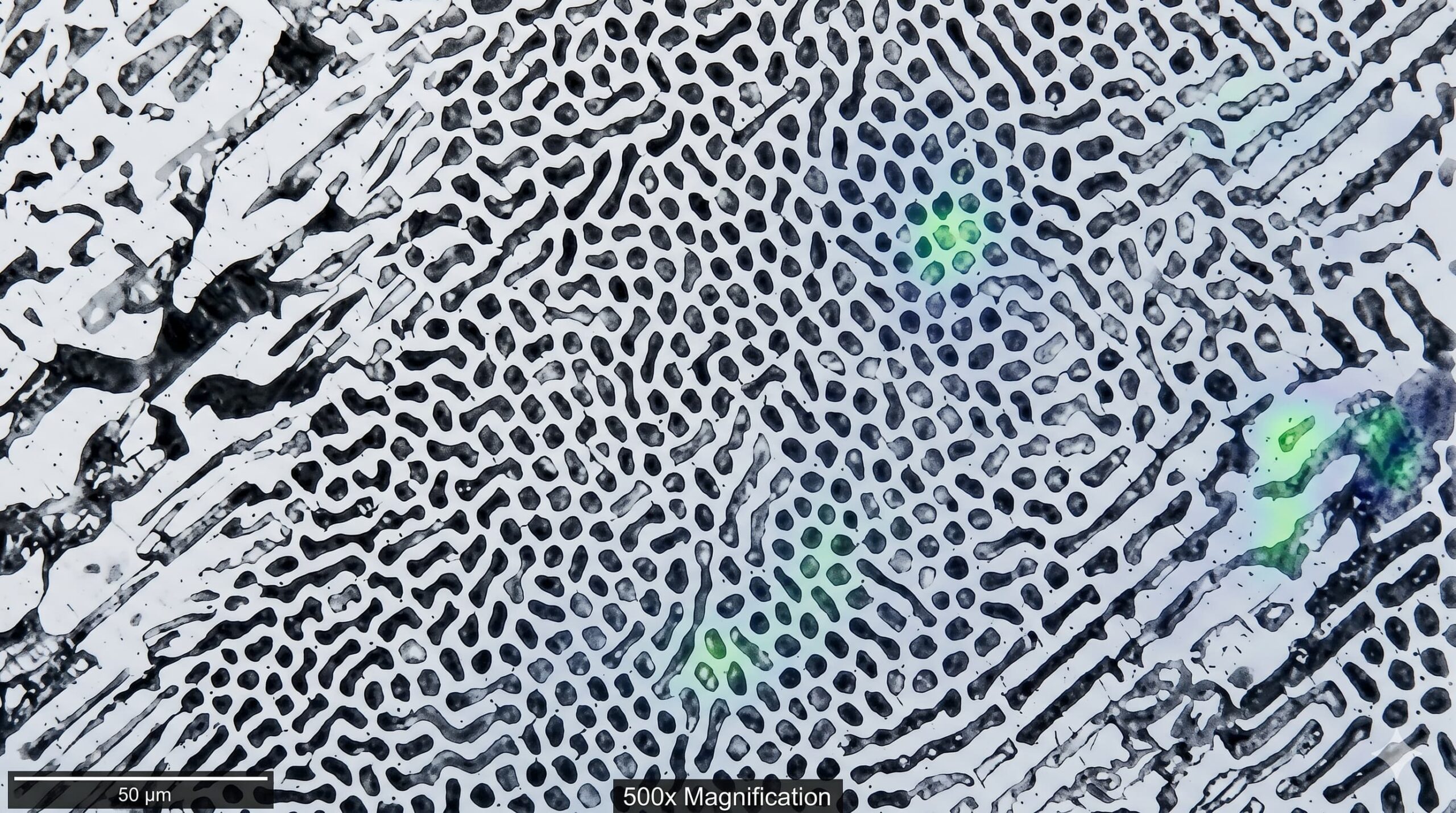
    While many materials scientists spend their careers perfecting the balance of toughness and strength found in a tempered martensite microstructure, there is another side to the iron-carbon family that embraces extreme hardness and wear resistance above all else: White Cast Iron. If gray iron is the reliable workhorse of the automotive industry, white cast iron

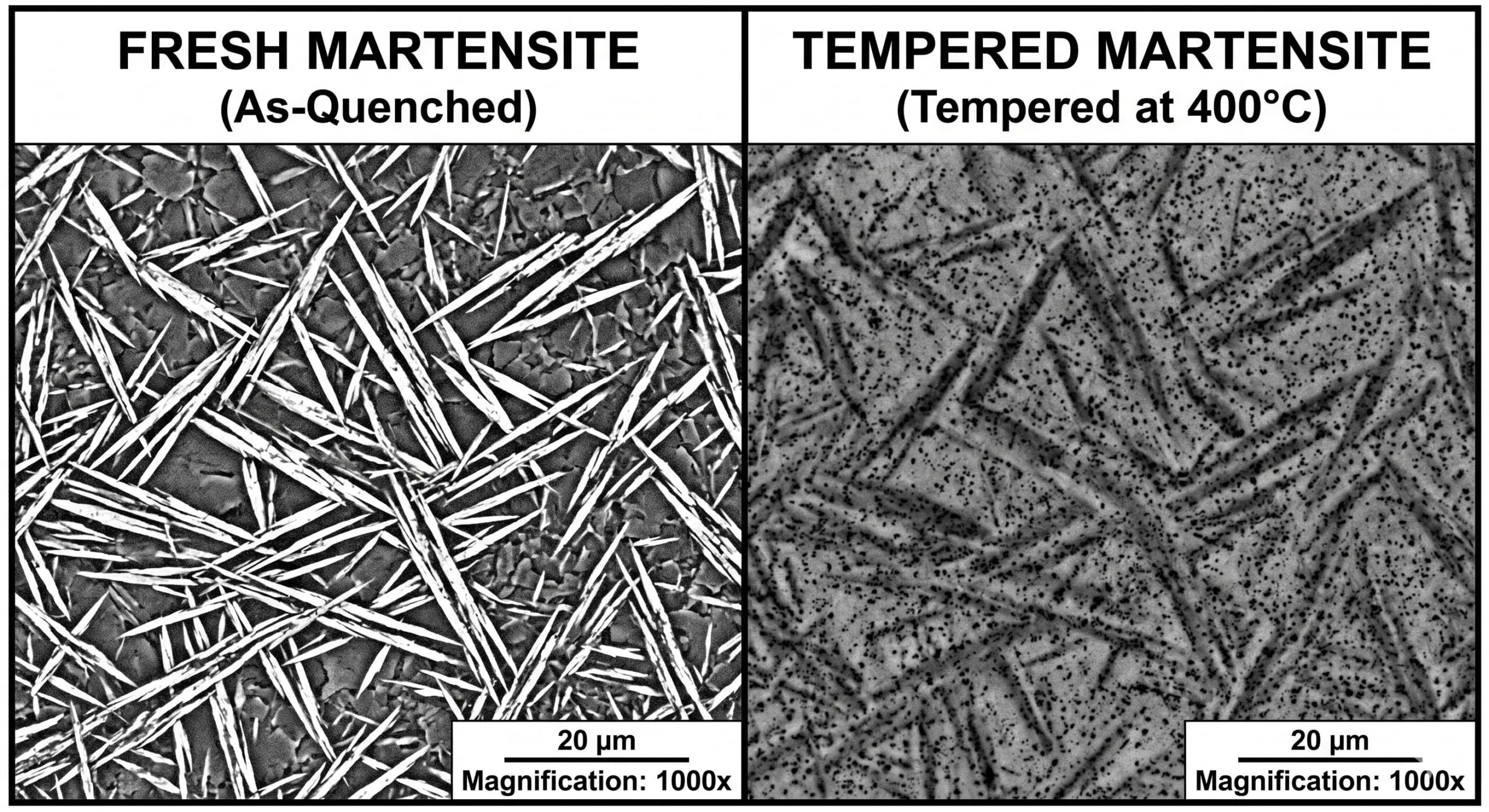
  • Tempered Martensite Microstructure: The Ultimate Guide for Metallurgy Labs

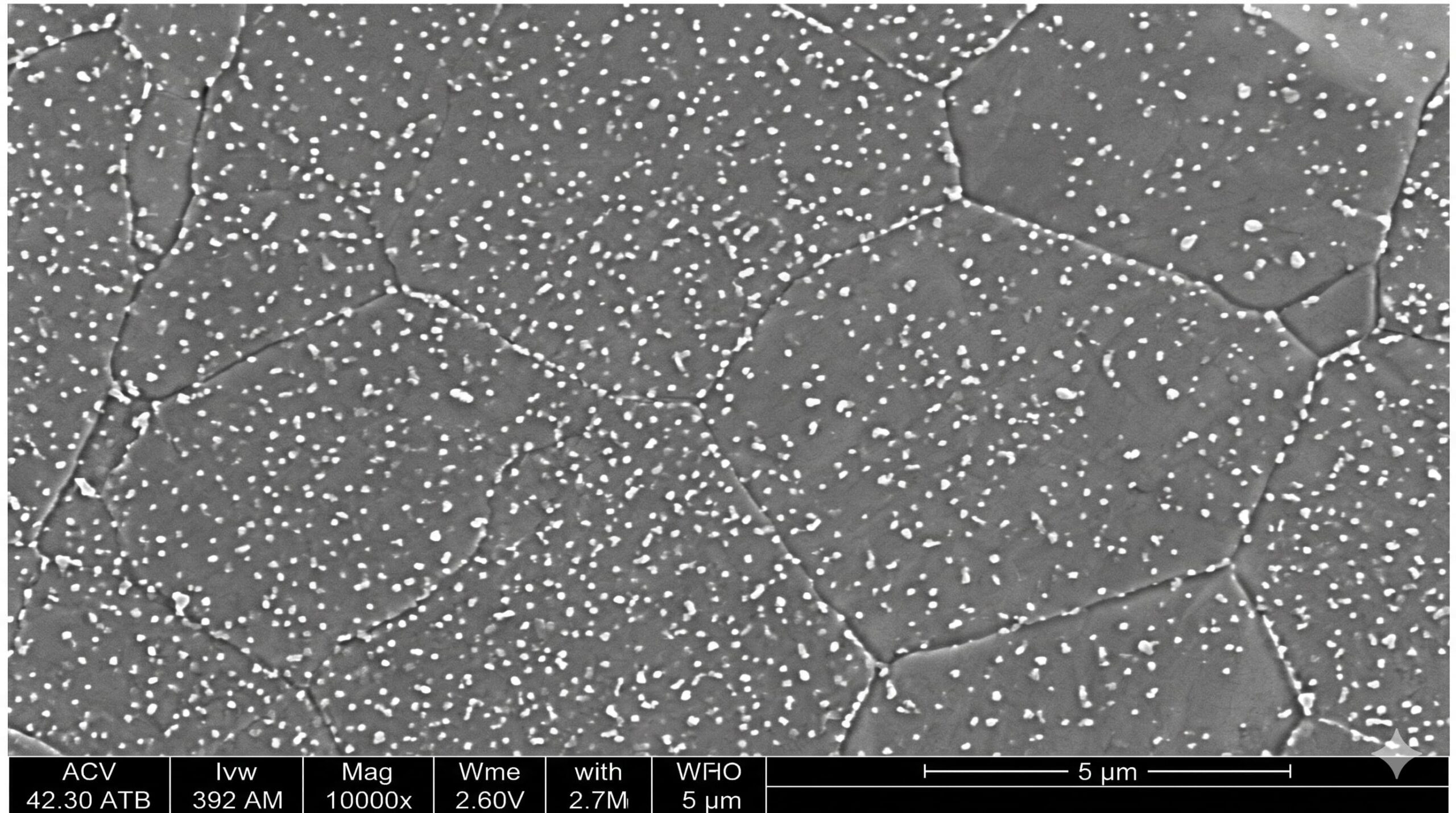
    Understanding the tempered martensite microstructure is the cornerstone of modern metallurgy. In the relentless pursuit of materials that are both incredibly hard and remarkably tough, engineers have turned to one specific phase transformation more than any other. While raw martensite is the “strongman” of the steel world, it is also notoriously brittle—often as fragile as

  • Automatic Grain Size Measurement vs. Manual ASTM E112 Methods

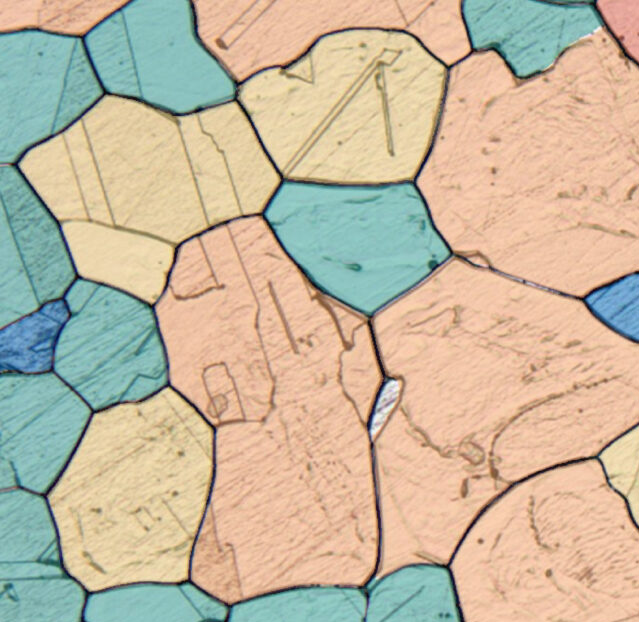
    In the world of metallurgy, grain size is more than just a microscopic feature—it is a fundamental predictor of a material’s mechanical properties. From yield strength to toughness, the crystalline structure of a metal dictates how it will perform under stress. For decades, the ASTM E112 standard has been the “bible” for determining average grain

  • Common Metallographic Sample Preparation Errors & How to Fix Them

    In the field of material science, the quality of your microscopic analysis is only as good as the surface you prepare. You can have the most expensive metallurgical microscope in the world, but if your sample is riddled with artifacts, your data will be flawed. Understanding and identifying metallographic sample preparation errors is the first