Author: microscope

  • The Best Image Analysis Software for Microscopy: Professional vs. Free Tools

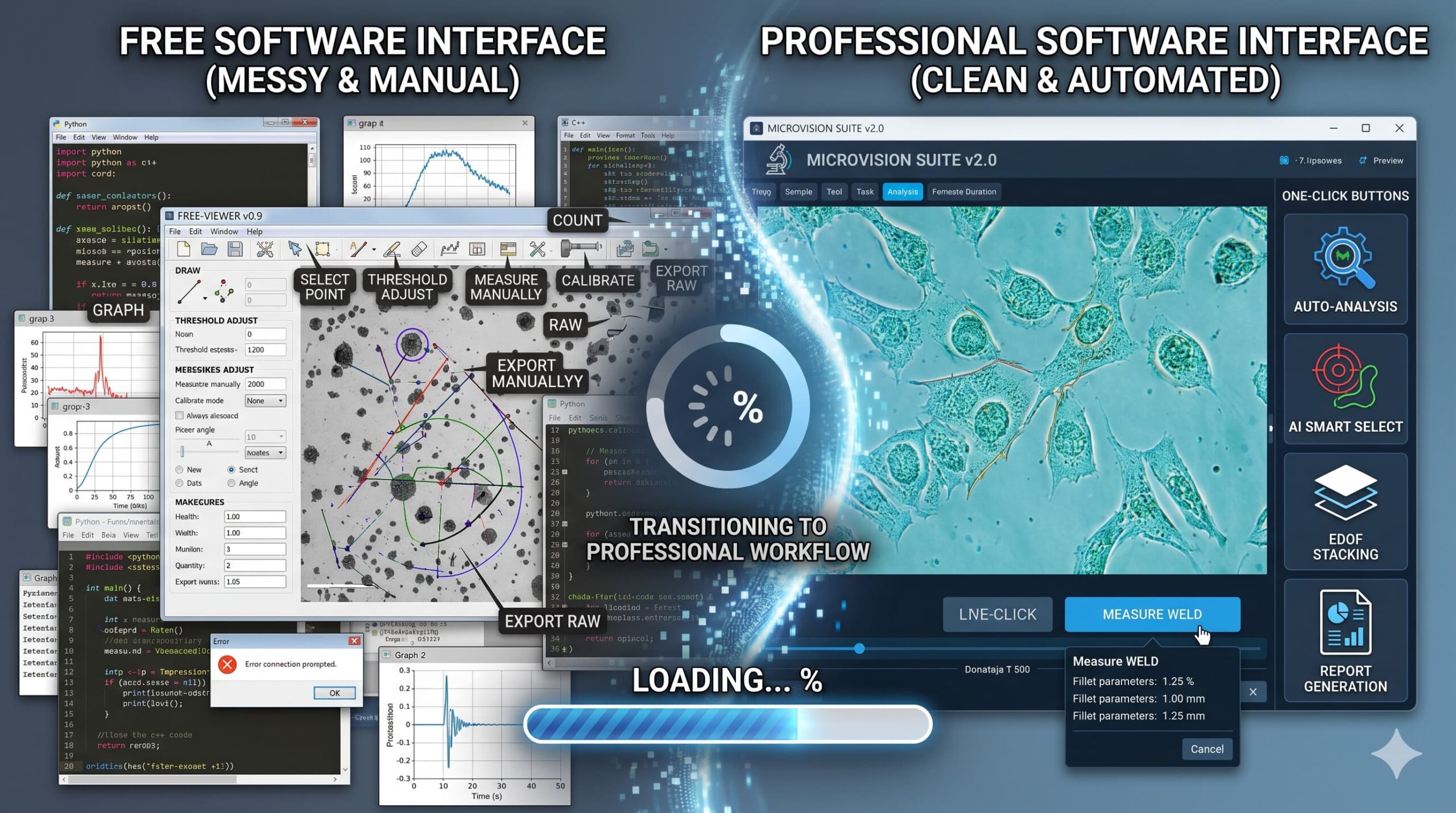
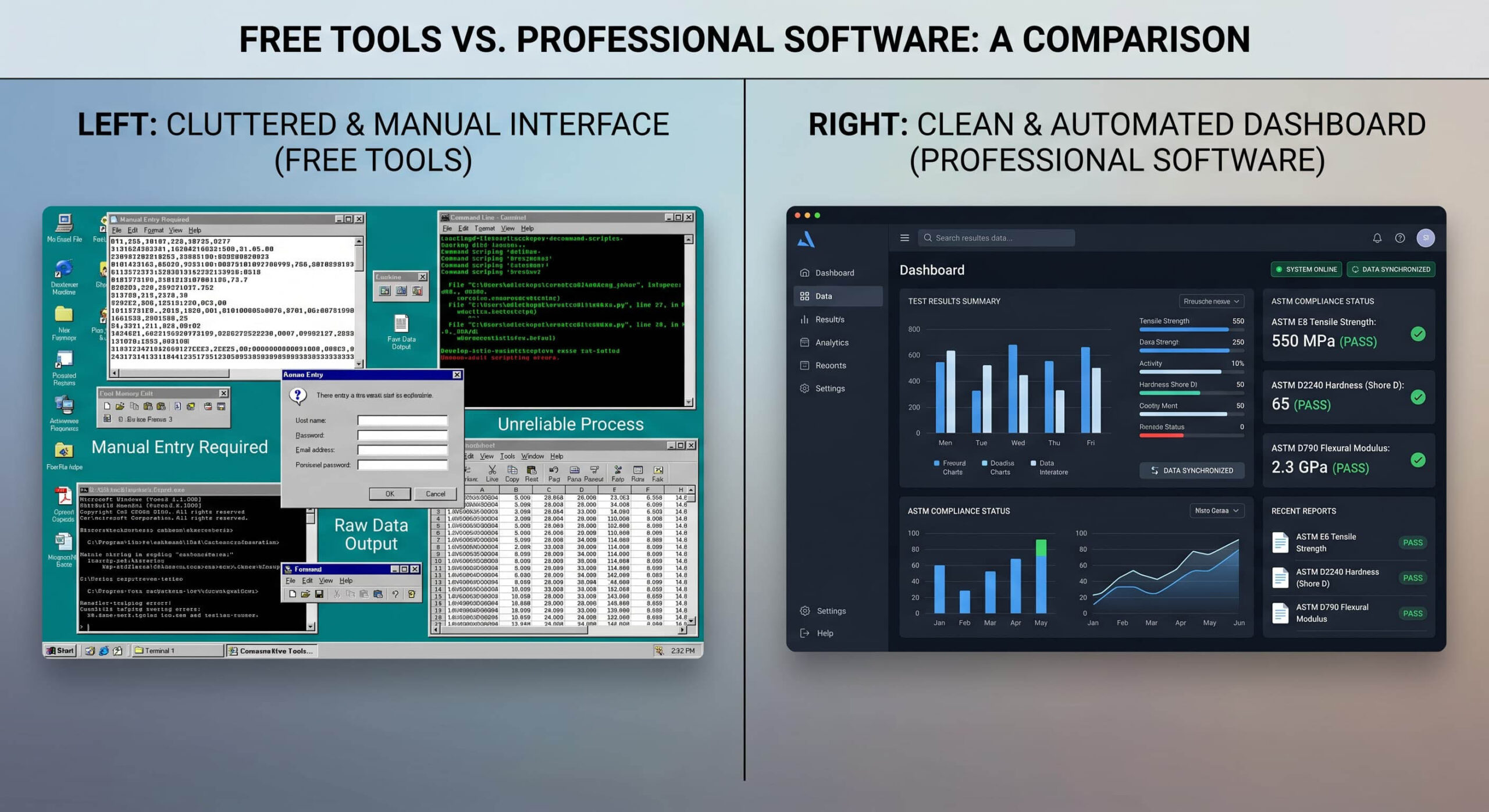
    For industrial laboratories and materials science researchers, selecting the right image analysis software for microscopy is one of the most critical decisions of the decade. As we navigate 2026, the gap between open-source “hobbyist” tools and high-end professional suites has never been wider. While free tools offer a tempting entry point with zero upfront cost,
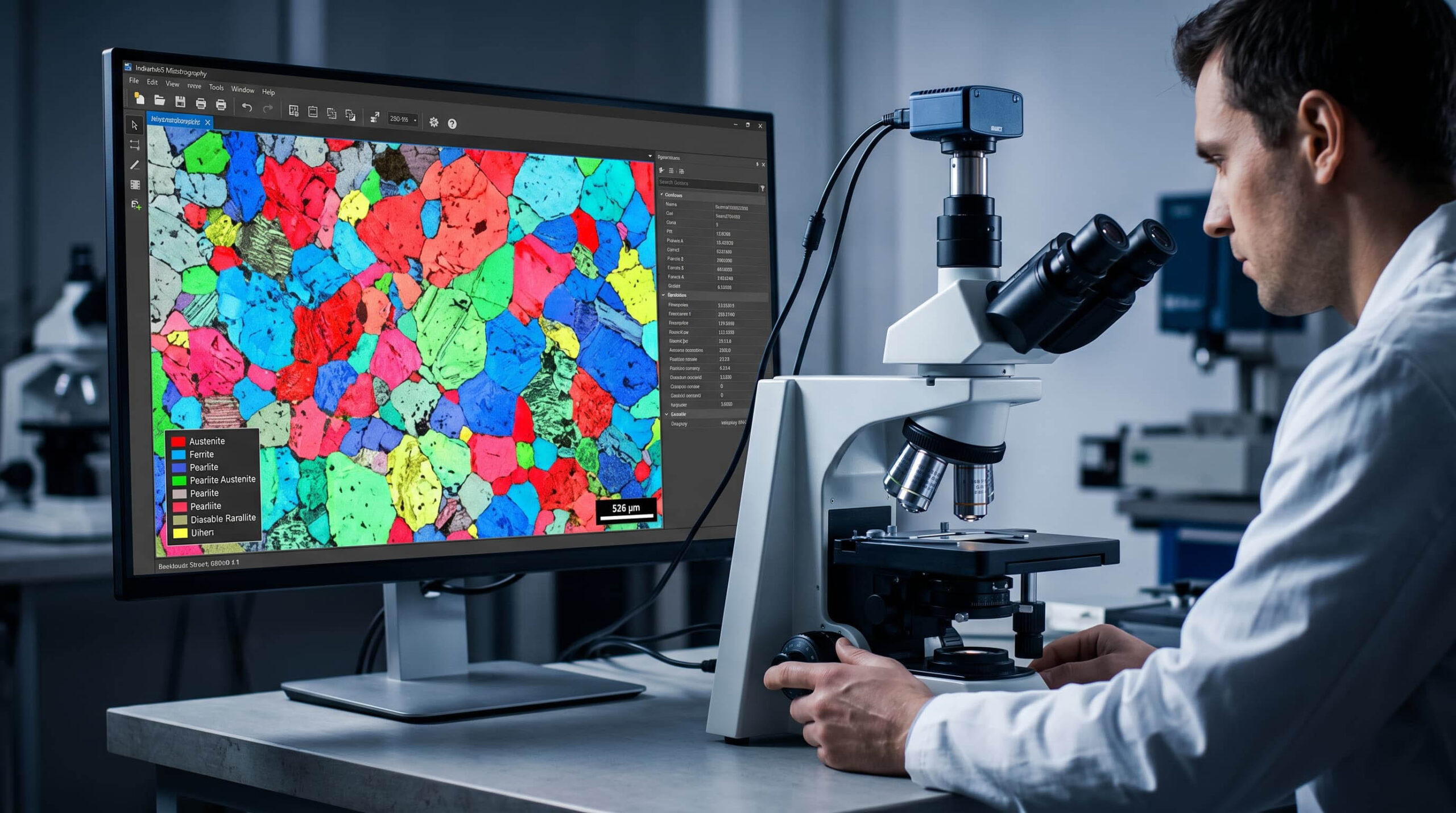
  • Universal Microscope Viewers: How to Connect Any Camera to Your Professional Software

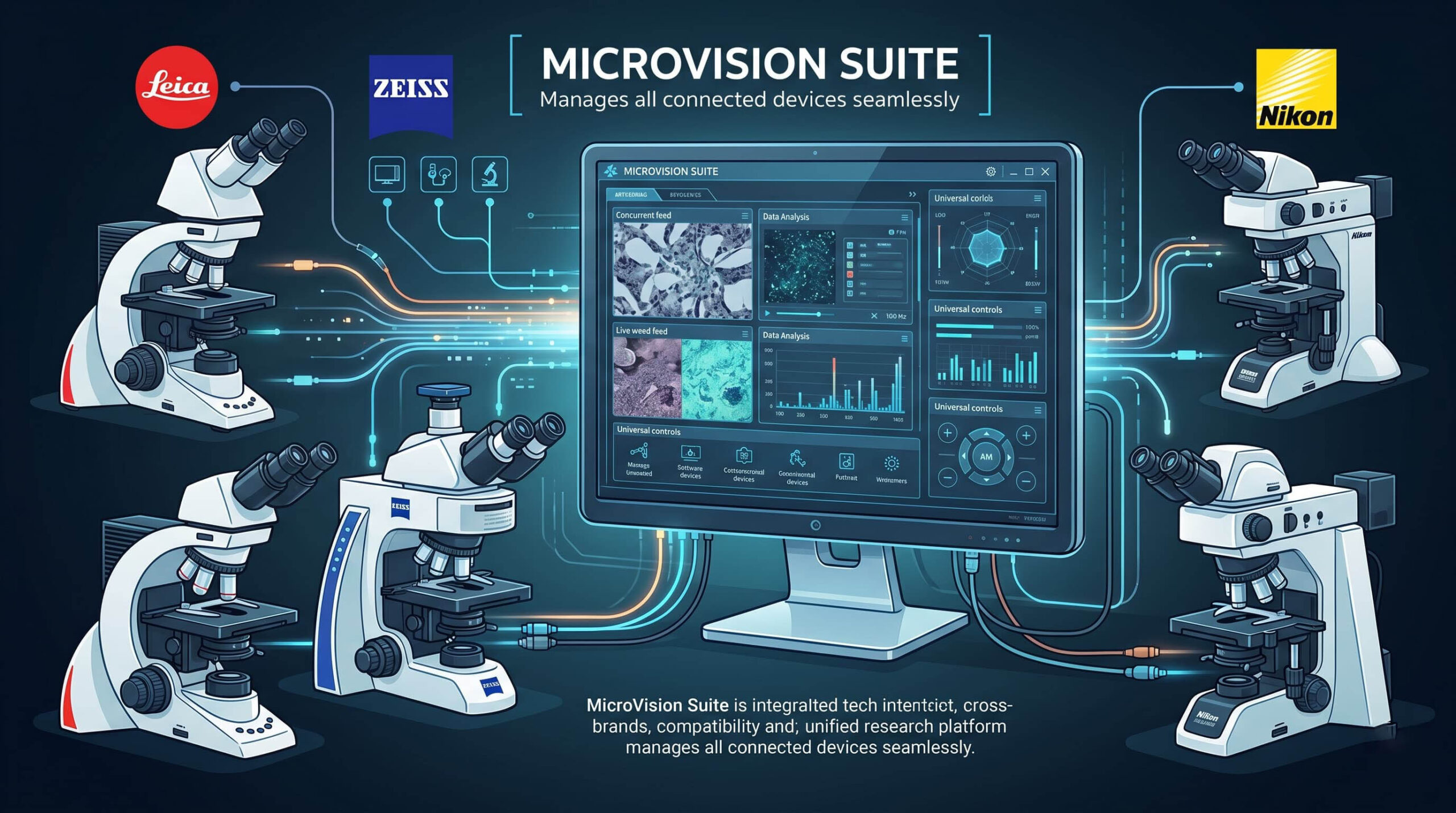
    In the high-stakes world of industrial metallurgy and materials science, the most expensive sentence you can hear is: “This camera isn’t compatible with our analysis software.” Imagine having a perfectly calibrated optical microscope and a high-resolution CMOS sensor, only to find yourself trapped in a “closed-loop” proprietary system. These systems often force you to use

  • Choosing the Best Professional Microscope Viewer Software for Industrial Labs

    In the high-stakes environment of an industrial laboratory, the microscope is no longer just an optical instrument; it is a data hub. The days of lab technicians squinting through eyepieces for eight hours a day are rapidly fading, replaced by the “Screen Era” of microscopy. However, as many lab managers discover the hard way, not

  • How to Turn Your Old Microscope into a Digital Powerhouse with AI-Driven Software

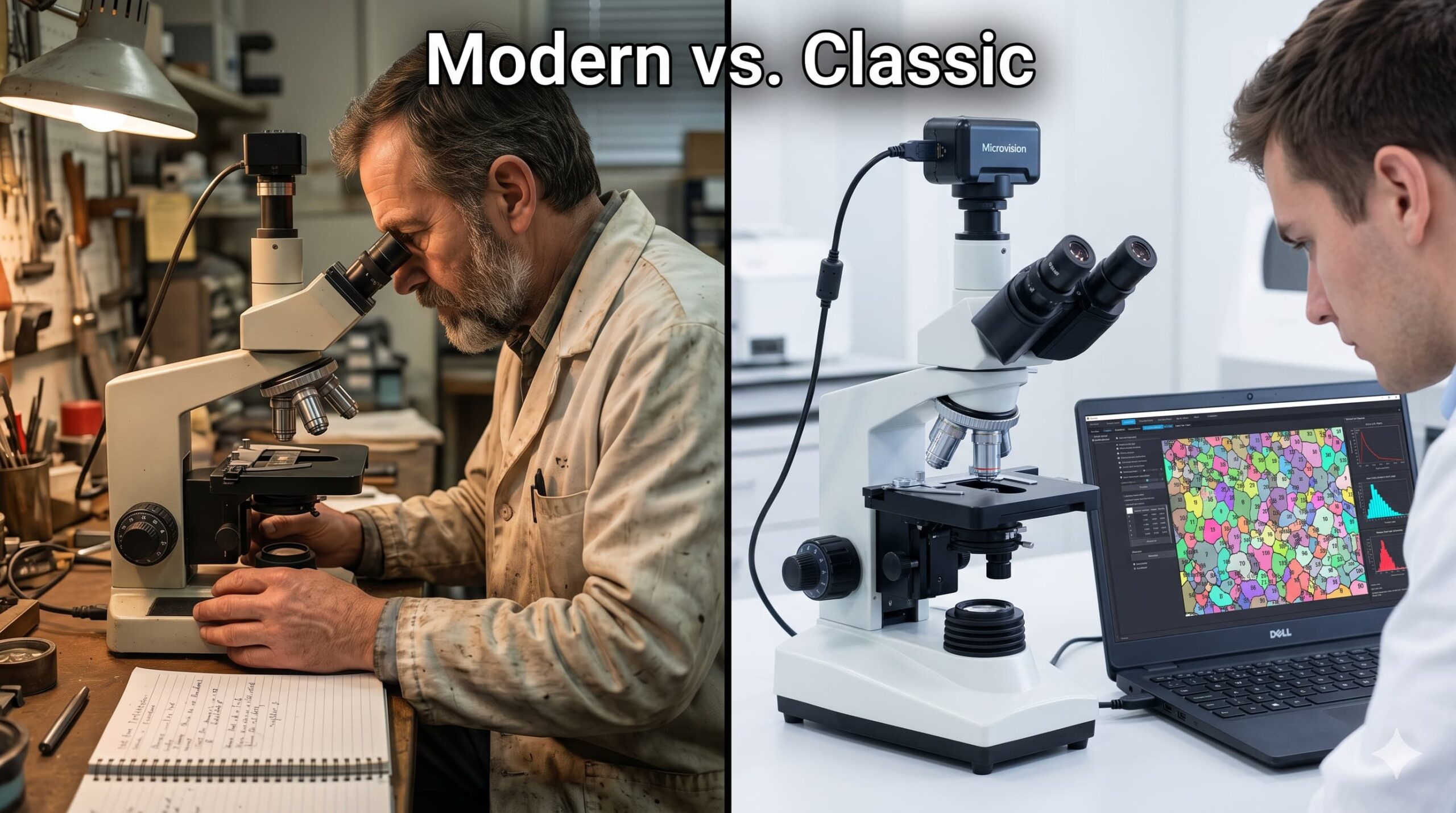
    In many metallurgy and materials science labs, there is a “sleeping giant”: a 15-year-old upright or inverted microscope. Its chassis is heavy, its stage is smooth, and its optics—those high-quality objective lenses—are still as sharp as the day they were unboxed. However, it sits underused because the imaging process is stuck in the past. Researchers

  • Free vs. Professional Microscope Software: When is it Time to Upgrade?

    In every laboratory’s journey, there is a “honeymoon phase” with free software. Perhaps it started with ImageJ, Fiji, or a basic capture utility that came with a budget CMOS camera. For simple image snapping or academic tinkering, these tools are fantastic. They are the Swiss Army knives of the microscopy world—versatile, open-source, and, most importantly,