Author: microscope

  • How to Choose Microscope Imaging Software: 5 Essential Features for Your Lab

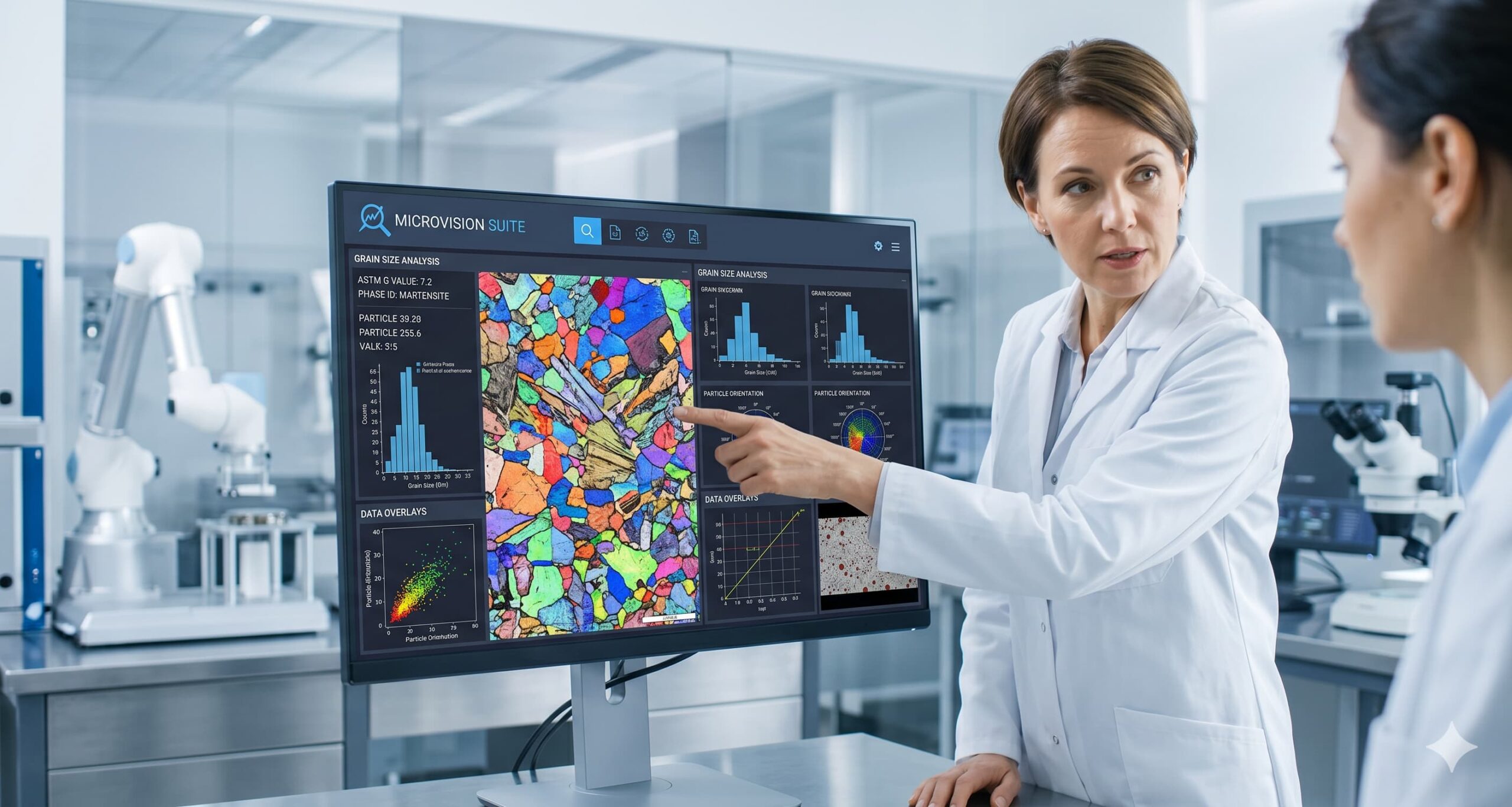
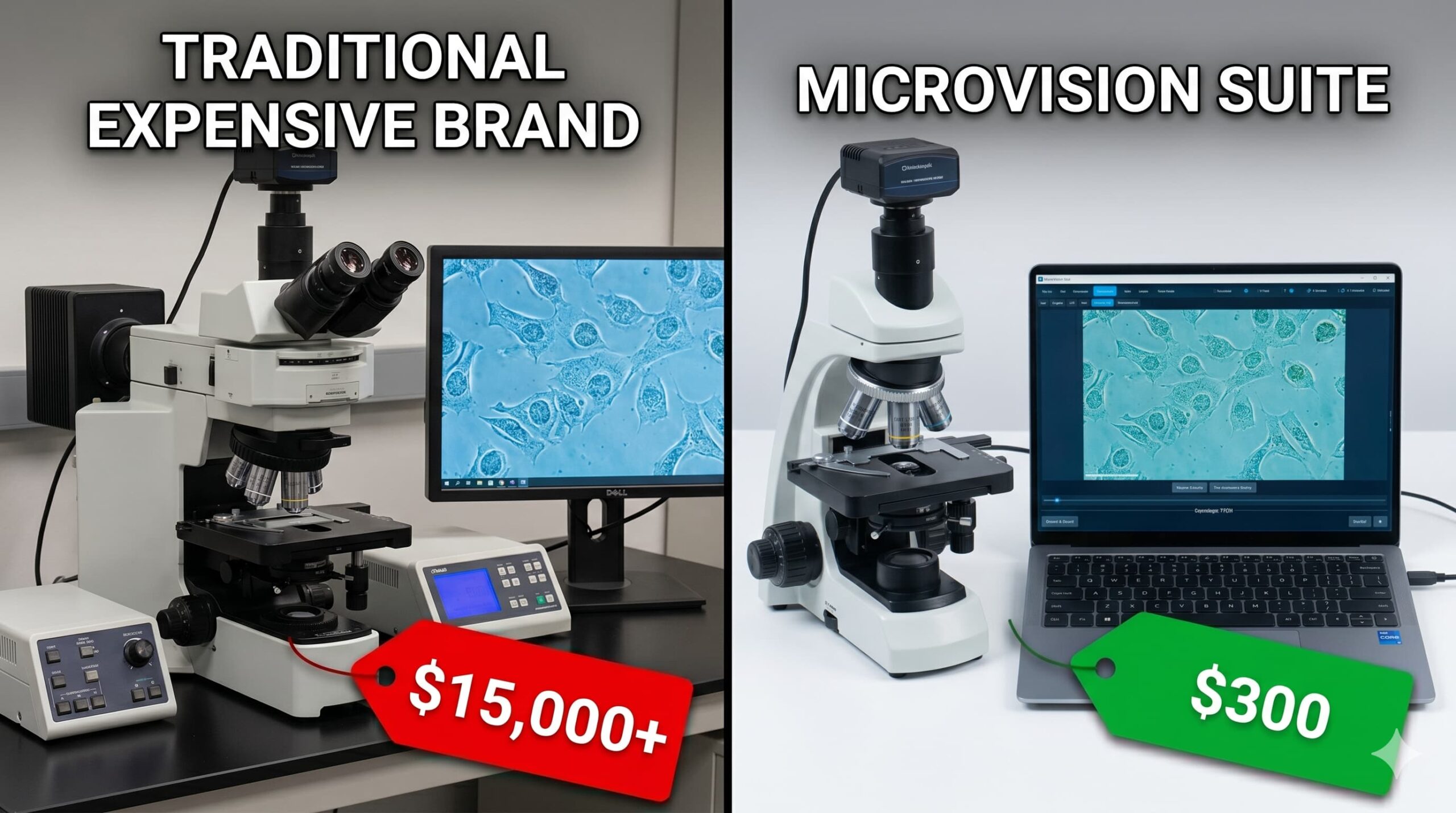
    Choosing the right microscope imaging software is a lot like choosing an operating system for your computer. You can have the most powerful hardware in the world, but if the software is clunky, unintuitive, or proprietary, your hardware becomes a very expensive paperweight. In the fast-paced laboratory environment of 2026, “just taking a picture” is
  • A Beginner’s Guide to Microstructure Analysis: From Sample Prep to Final Report

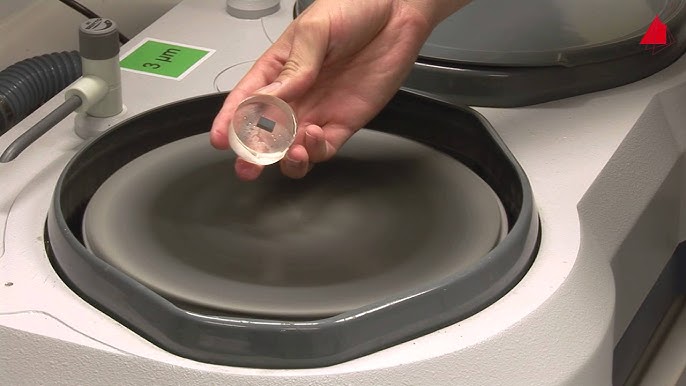
    Microstructure analysis is often described as the “detective work” of materials science. By examining a material at a microscopic level, we can uncover its history: how it was forged, what heat treatments it underwent, and why it might have failed in the field. For a beginner, the process can seem overwhelming, involving complex chemistry, precision

  • 5 Common Metallography Defects and How to Fix Them in Your Lab

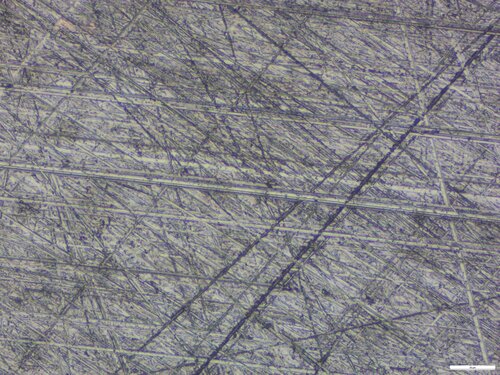
    In metallography, the distance between a perfect microstructural revelation and a misleading artifact is often measured in microns. You can have the most advanced AI-powered analysis software, such as Microvision, but if your sample preparation is flawed, your data will be too. A “defect” in a metallographic specimen isn’t just an aesthetic issue; it can

  • ASTM E112 vs. E1382: Which Grain Size Measurement Method Should You Use?

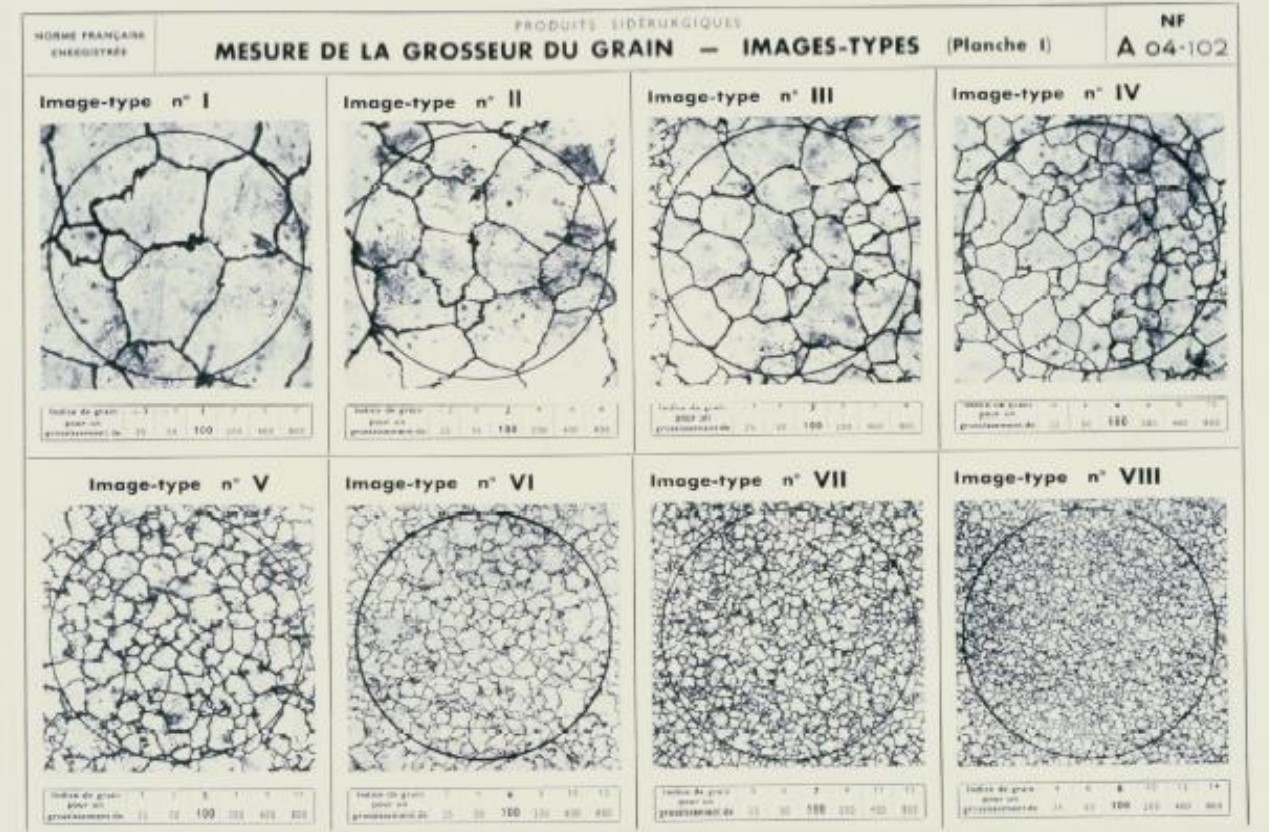
    In the world of materials science, the size of a grain is more than just a microscopic detail; it is the fundamental blueprint for a metal’s mechanical properties. From the yield strength of an aerospace turbine to the ductility of a car chassis, grain size determines performance. However, when it comes to standardizing these measurements,